Projects keep stalling or going in circles?
If your team is juggling endless document versions and scattered feedback, collaboration quickly turns into chaos.
That confusion can hurt productivity and stress your entire team as people redo work or miss key updates.
As highlighted in this communication breakdowns, causing work to get stuck are a direct result of poor collaboration, leading to duplicated or skipped tasks and significant wasted effort. These blockers drain resources and leave everyone frustrated.

But you can fix this collaboration mess for good with the right software.
In this article, I’m going to break down the best document collaboration software to streamline your team’s workflow, simplify processes, and take the guesswork out of choosing the right tool.
You’ll get clear options to reduce overload, speed up work, and make your team communicate as one.
Let’s get started.
Quick Summary:
| # | Software | Rating | Best For |
|---|---|---|---|
| 1 | FileCenter → | Professional services teams | |
| 2 | Nextcloud → | Security-focused IT departments | |
| 3 | Google Workspace → | Fast-growing startup teams | |
| 4 | NetDocuments → | Large legal practice teams | |
| 5 | Zoom Docs → | Meeting-centric remote teams |
1. FileCenter

Too many versions of the same document?
FileCenter gives your team PDF tools like combining, annotating, and securing files, alongside version control, to simplify daily collaboration challenges.
If you’ve ever struggled to maintain order among feedback cycles, you’ll know the value of staying organized with version control and PDF management in one place. That makes a difference for any group working on contracts, technical drafts, or reports together.
Here’s how FileCenter goes deeper.
You can manage, collaborate, and store documents easily
With FileCenter, your team and you get PDF management built right in, so collaborating on documents means instantly combining, splitting, or marking up files without leaving the platform. Plus, its underlined version control automatically archives every document revision, so nothing gets lost between drafts and feedback cycles. When you need to look back or recover an earlier edit, it’s just a click.
Additionally, FileCenter supports cloud integration—this lets your team securely access, update, and share files from anywhere. Instead of chasing email attachments, you all work from a single, accessible source, whether you’re in-office or remote.
The result is less friction, more productivity.
Key features:
- Built-in PDF combining, annotation, and security tools let your team collaborate on documents in real time, adding clarity and speeding up workflows while keeping files protected in one system.
- Robust version control with automatic saves ensures you always have access to previous document edits and can safely track changes, making document collaboration much more reliable and organized.
- Cloud integration with leading storage providers offers secure, centralized access for teams, so your files are always available for collaboration, no matter where you’re working from.
Verdict:
If you’re looking for an excellent document collaboration software, I like how FileCenter brings PDF editing, file sharing, and version control together. Its in-app tools and cloud access mean your feedback cycles stay organized and secure, a real time-saver for project-driven teams.
2. Nextcloud
Is keeping sensitive documents secure holding you back?
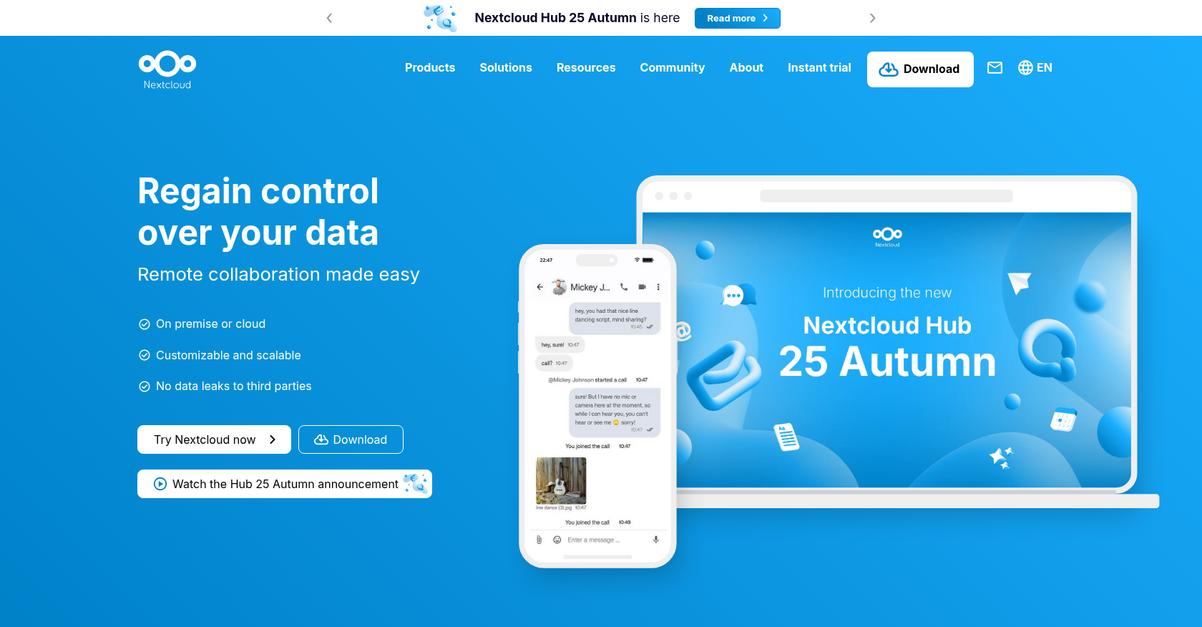
Nextcloud brings privacy-driven collaboration with real-time co-editing, granular sharing controls, and full document version history—all packed into a self-hosted environment your IT can fully manage.
This means you can finally stop worrying about losing control over your team’s confidential files and edits. No more risky external cloud providers and no more uncertainty about where your data lives.
Here’s how Nextcloud takes your workflow further.
You get all the power of shared editing in one place, letting your team create and update docs together—without ever exposing data to outside servers.
With integrated Collabora Online, you and your colleagues can edit office documents in real time, leave feedback, and see updates instantly. Self-hosted deployment keeps every file fully under your control, a huge win if you’re handling confidential client data or internal strategies.
Add in password-protected shares, expiration dates, and granular permissions, and you can give access only to those who need it. The version history makes it painless to restore previous content or review who made what change—no drama if someone overwrites an important file.
The result is a smooth, secure collaboration experience.
Key features:
- Real-time co-editing with integrated Collabora Online so your team can work on the same document together—without emailing files back and forth
- Fine-grained sharing controls with passwords and expirations to ensure only the right people access sensitive information inside and outside your company
- Comprehensive version history for every file gives you the power to revert to past states and audit all document edits to keep collaboration safe
Verdict:
If you want a great document collaboration software that lets your team edit together securely, Nextcloud delivers. I’ve seen it excel for data privacy, and with robust controls and self-hosting, it’s the clear pick for regulated industries or confidential projects.
3. Google Workspace
Collaboration shouldn’t slow your workflow down.
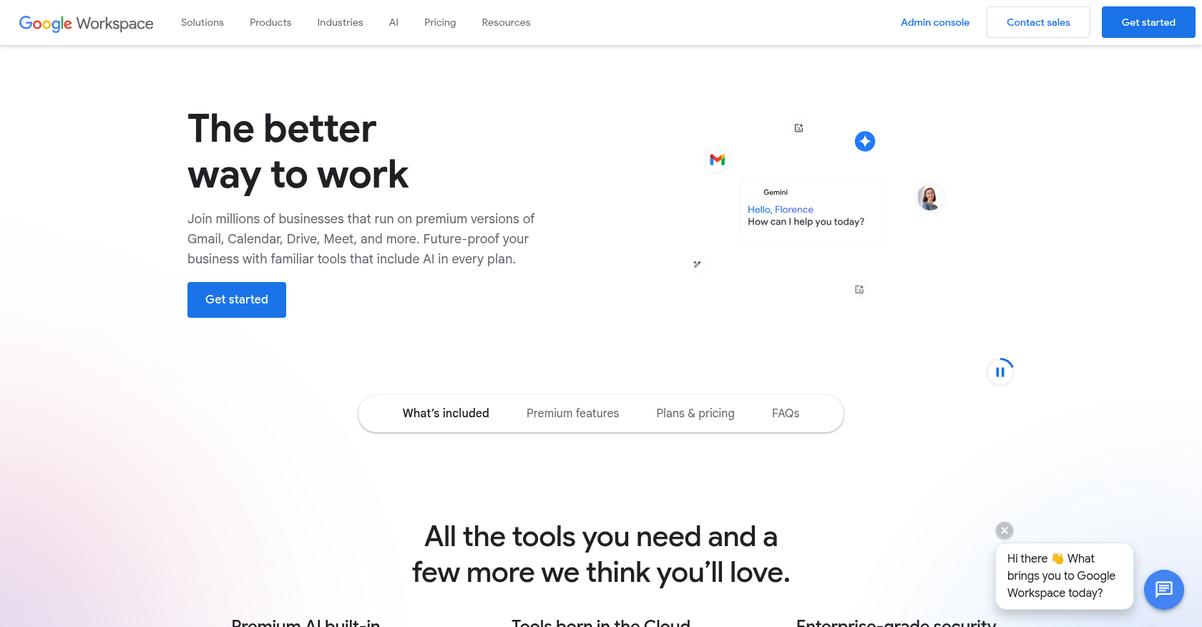
Google Workspace enables real-time co-editing, shared drives, and granular comment features for document collaboration, making it easier to get everyone working together, no matter where they are.
This means you don’t have to worry about sending endless email attachments or dealing with messy version control. Avoiding version conflicts and wasted time with email attachments suddenly becomes much simpler for your team.
Let’s look at how Google Workspace solves this.
You get a full set of tools that allow your team to create, edit, and review documents together right in your browser.
Here’s how Google Workspace stands out: you and your team can edit Docs, Sheets, or Slides together in real time, instantly seeing each other’s changes as they happen. With Shared Drives, everyone has access to the latest files so you’re never hunting for the most updated version when a deadline approaches.
Additionally, I love the built-in comment and suggestion modes, which make it super easy for anyone to highlight text and leave feedback or ask questions. Collaborators can jump into a document, review, respond, and move things to final draft faster—keeping revisions organized and referenceable within the file.
The result is powerful, frictionless teamwork.
Key features:
- Real-time co-editing on Docs, Sheets, Slides: Multiple people can edit the same file together and track changes instantly, helping your team avoid version headaches and slowdowns.
- Centralized Shared Drives for easy file access: Keep all relevant documents in one secure location so everyone always works from the correct, up-to-date version.
- Comment and Suggest modes speed up feedback loops: Give feedback directly within a document, helping your team review faster and create stronger, error-free work.
Verdict:
If you want a great document collaboration software, Google Workspace brings your team together with instant co-editing, automatic versioning, and direct feedback tools. It’s especially effective if you’re using Gmail already, and is ideal for quick-moving teams who value clarity and speed.
4. NetDocuments
Looking for error-free team document collaboration?
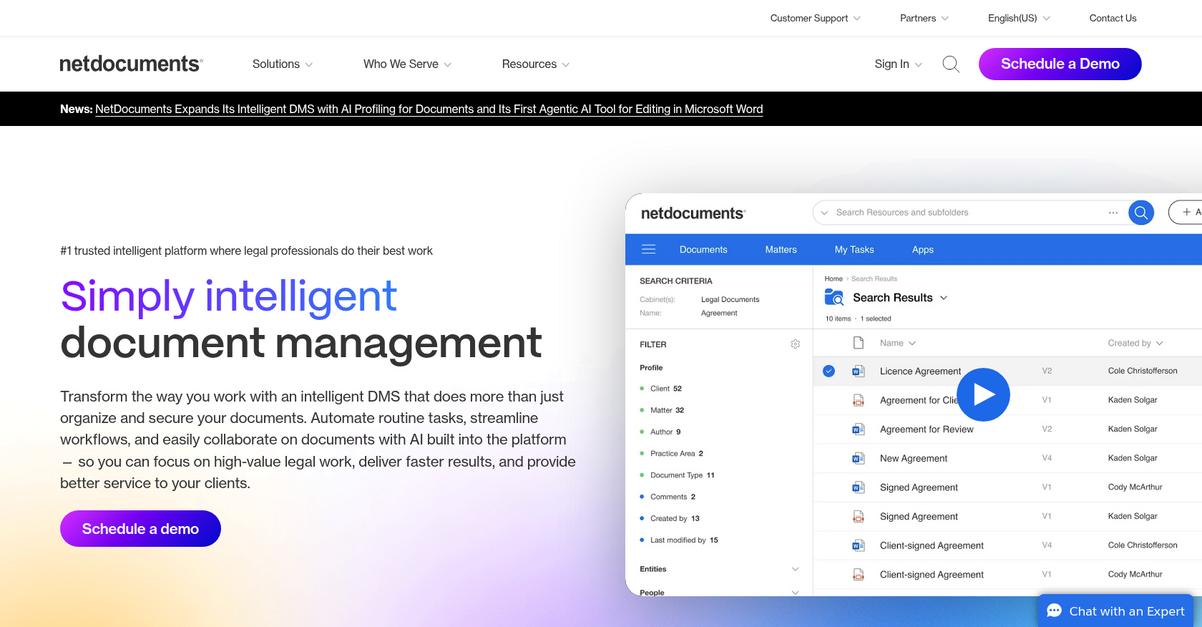
NetDocuments keeps all your project documents, emails, and communications in a single matter-centric workspace for easy access and collaboration.
This means you won’t waste time searching for files or worry about people working on the wrong version. You get peace of mind knowing your team always works from the correct, approved file without losing track of important project details.
Everything your team collaborates on stays organized.
NetDocuments is built to tackle the unique challenges you face keeping sensitive files secure, up-to-date, and easy to find—especially in regulated industries like legal or professional services.
Whenever you’re collaborating on client files or complex projects, the platform’s matter-centric workspaces have your back. You can quickly pull up all relevant documents, emails, and communications, so nobody is left chasing attachments or missing a critical update. Even better, you’ll never have to second guess version history—NetDocuments enforces tight document control so your team always sees the latest, correct file. The built-in versioning ensures everyone works on the right document every time, helping you avoid embarrassing mistakes and audit risks.
You also get granular external sharing controls. If you need to involve clients or outside partners, you decide exactly what’s accessible, keeping confidential data locked down without slowing collaboration.
By removing confusion and boosting file security, your team stays productive.
Key features:
- Matter-centric workspaces centralize all your files related to clients or projects, so your team can collaborate without hunting for emails or losing key documents in silos.
- Version and access control guarantee project integrity by ensuring your team always works from the latest document and that you maintain an accurate audit trail for compliance.
- Secure external sharing lets you collaborate with clients by providing clear controls over who accesses sensitive documents, maintaining confidentiality while encouraging outside input.
Verdict:
If you need a great document collaboration software for secure, compliant teamwork—especially in legal—NetDocuments’ matter-centric workspaces and powerful access controls make it the obvious choice. Its enterprise-grade features are trusted by major law firms and professional services teams worldwide.
5. Zoom Docs

Does your team ever lose track of meeting outcomes?
Zoom Docs tackles this head-on by embedding document collaboration right inside your Zoom meetings, so nothing slips through the cracks.
Most teams I chat with struggle to keep everyone on the same page after virtual meetings. If you’ve ever wondered how to capture action items and decisions instantly, Zoom Docs nails this with its AI-assisted document creation and real-time editing.
Here’s where things get even easier.
Zoom Docs solves your meeting follow-up headaches by automatically generating document drafts and summaries from transcripts. If you’re like me, you’ve probably juggled messy notes and spent too long synthesizing action items. With Zoom Docs, you can include AI-powered summaries, making meeting wrap-ups much more actionable for everyone.
Plus, the real-time co-editing keeps your team engaged in the process, letting you make comments or updates together on the fly. This means you’re not stuck updating docs solo or tracking email chains—everyone can contribute as decisions are made, turning every meeting into a building block for the next step.
Additionally, housing all notes and files in a shared workspace means your team always knows where to find project documents and the latest updates.
Collaboration should feel this smooth.
Key features:
- AI-powered document drafts from meeting transcripts help your team capture key decisions and create next steps instantly after every call.
- Real-time co-editing and in-line commenting turns meetings into truly collaborative sessions and eliminates confusion about what was discussed or decided.
- Centralized workspace for notes and files ensures your team has a reliable place to store, find, and update all project documents.
Verdict:
With AI-assisted creation, live co-editing, and a central hub inside every Zoom call, Zoom Docs is an excellent document collaboration software for teams who want meeting actions captured quickly and all files in one place—especially if your workflow centers around Zoom.
6. Zoho WorkDrive

Keeping your team on the same page matters.
With Zoho WorkDrive, your files are organized into Team Folders, where you control access and keep collaboration structured, so nothing falls through the cracks.
The platform addresses a pain point I often hear—how do you keep projects organized while letting everyone chip in simultaneously? This pain is real if you’re stuck sifting through scattered documents or struggling with permissions chaos.
Here’s how Zoho WorkDrive steps up.
It gives your team what you really need to work together.
You get real-time co-editing thanks to the integrated Zoho Office Suite, so your team can create, edit, and review documents, spreadsheets, or presentations at the same time. This means no more version confusion or duplicated workstreams and project bottlenecks disappear. Plus, with Team Folders and customizable permissions at every level, you decide who can see, edit, or share what, so sensitive business docs always stay protected without slowing down progress.
Additionally, granular access controls help you keep everything secure as your team grows. You can easily assign detailed permissions to files and folders, so you always know who’s editing what and when. Integrations with other Zoho apps let you expand your tech stack if needed, supporting continued productivity across your business.
If you care about clarity and control, WorkDrive delivers.
Key features:
- Team Folders for structured collaboration: Store files in dedicated team spaces and manage access, making collaboration and document retrieval simple, even for growing teams.
- Real-time multi-user editing in Zoho Office: Collaboratively co-edit documents, spreadsheets, and presentations, drastically reducing feedback delays and maintaining true version control.
- Granular permissions to protect sensitive documents: Assign read, edit, or share rights at both folder and file level, so every business document stays secure yet accessible.
Verdict:
Zoho WorkDrive stands out as an excellent document collaboration software because it combines structured Team Folders, live co-editing, and granular access control into a complete package. If you want simplicity, security, and smoother workflows, this could be the single platform your busy team truly needs.
7. Confluence
Wish your team could finally get on the same page?
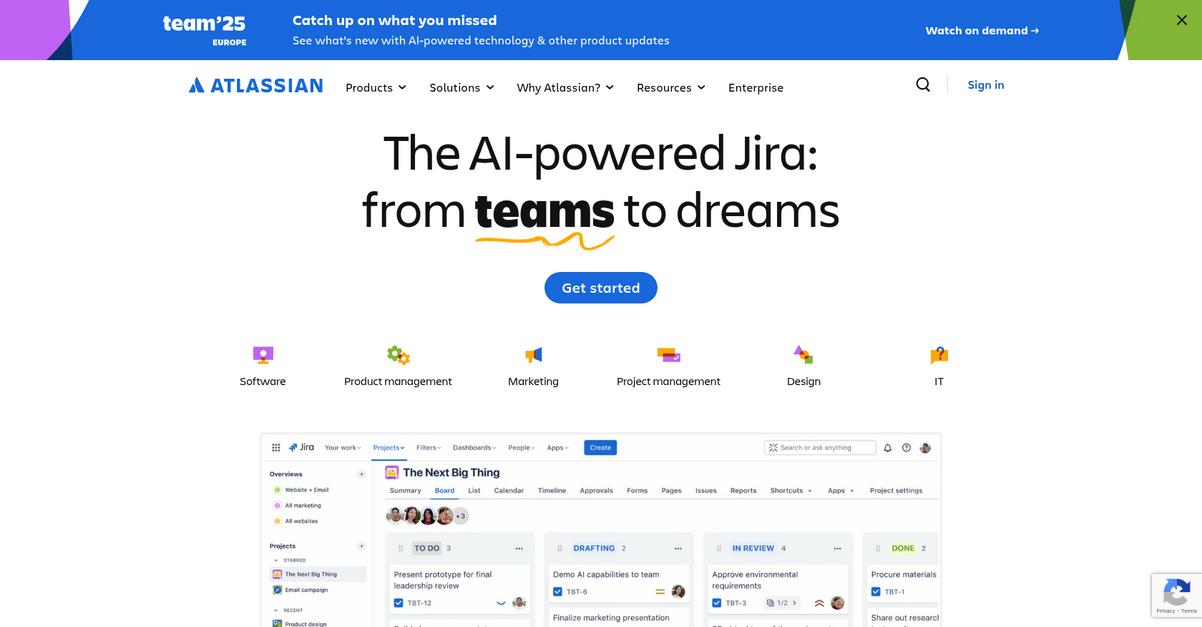
With Confluence, you get collaborative pages, structured content, and version history that make document creation and editing truly collaborative, not chaotic.
If you’ve ever felt overwhelmed searching scattered docs or worried about lost information, you’ll appreciate how Confluence keeps your team’s collective knowledge safe and accessible in one place.
Here’s how Confluence makes all the difference.
You can easily bring your team’s ideas and knowledge together with real-time page editing, integrated comments, and organized workspaces.
With Confluence, everyone can pitch in on projects or meeting notes at the same time, turning scattered feedback into clear, organized content your team can rely on.
Plus, the ability to create dedicated spaces and structured pages streamlines information management, so you don’t waste time hunting for the right doc or update. Version history means you never have to worry about accidental overwrites—restoring an earlier document only takes a click.
The result? Your team can focus on creating, sharing, and improving information together.
Key features:
- Co-create and comment in real time: Empower your team to edit pages simultaneously, add feedback directly to documents, and collaborate without confusion or bottlenecks—so the best ideas rise to the top.
- Organize content with spaces and pages: Easily set up dedicated workspaces and intuitive page hierarchies, making it painless to navigate, search, and share documents across your entire team.
- Full document version history and audit trail: Track every change, recover any previous edit, and enjoy peace of mind with a transparent, revertible record of all document evolution.
Verdict:
If you’re looking for a best document collaboration software that removes the chaos from team collaboration, Confluence centralizes your information and gives you tools that save real time—helping your team work better together on any project.
8. Notion
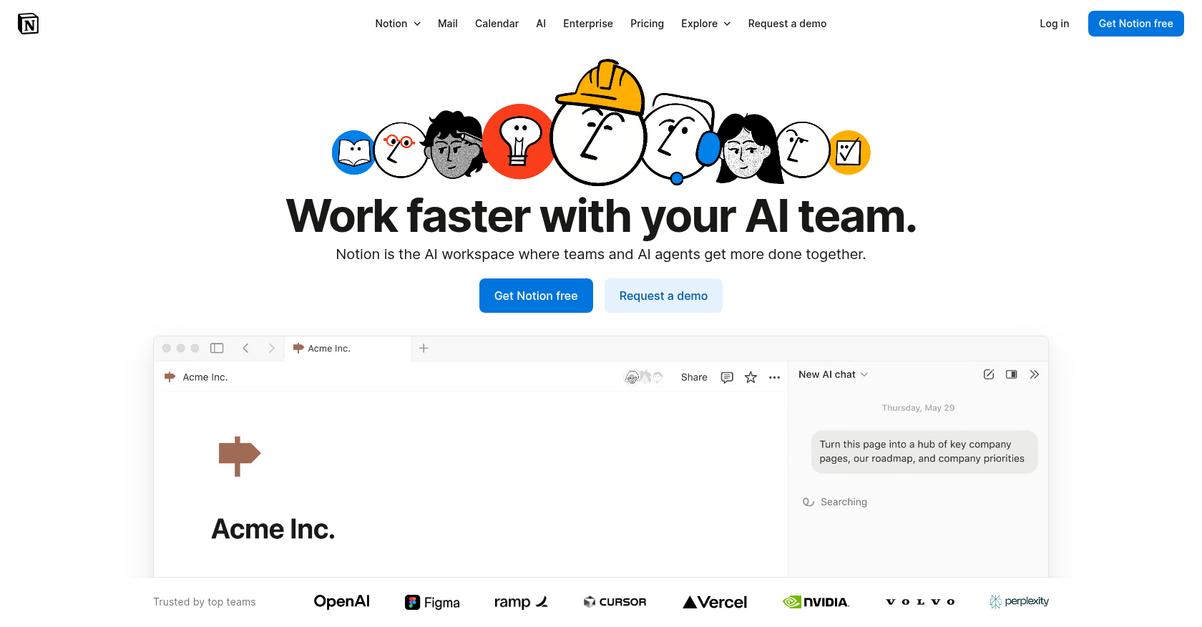
Having trouble getting your whole team on the same page?
Notion lets you build flexible custom workspaces, co-edit content in real time, and use templates to jumpstart collaborative documents within minutes.
If you’re hoping for your work to feel more organized, Notion’s flexible page structure gives you the power to create workflows that fit your team perfectly, instead of forcing you into a rigid tool.
That’s why so many choose Notion for their documents.
Notion really shines by letting you connect ideas and project work all in one place.
Here’s how you can use Notion’s flexible page builder to create anything from shared meeting notes and project wikis to complex, searchable databases—plus, with real-time collaboration, everyone can jump in, comment, or edit without confusion or endless email chains. This means you can easily stay focused on your actual work, not just on managing files.
Additionally, Notion’s extensive template gallery lets you kick off new document types—like project trackers or knowledge bases—without reinventing the wheel. Combine that with in-line comments and mentions, and you never lose a question, edit, or bit of feedback along the way.
The result is a workspace that truly matches your needs.
Key features:
- Real-time editing and in-document comments mean you can collaborate instantly, capture team feedback, and keep every discussion tied directly to your working documents.
- Flexible page and database customization tools make it simple for you to mirror your actual team workflow, whether it’s a product launch or onboarding guide.
- Curated templates for docs, projects, and wikis ensure all of your new content kicks off quickly and stays consistently structured, even as you scale.
Verdict:
If you want a great document collaboration software, Notion’s real-time editing, custom page layouts, and easy-to-use templates make it ideal for any team looking to boost productivity and knowledge sharing. Just try starting with the project wiki template to see instant benefits.
9. Evernote
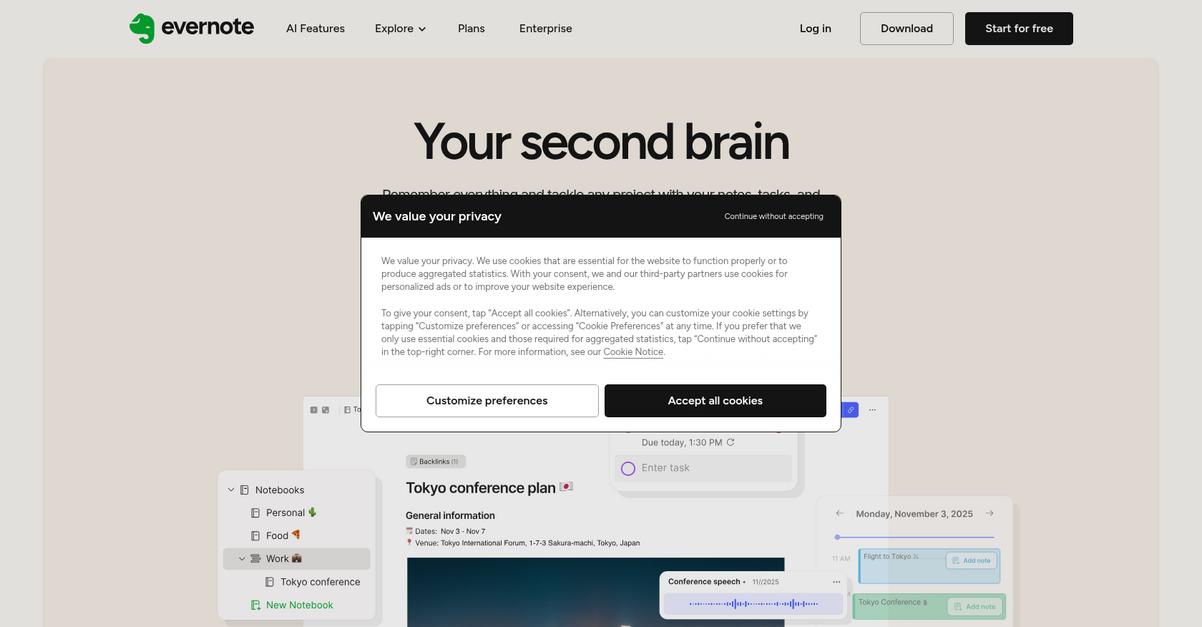
Keeping everyone on the same page gets tricky fast.
If you’re always juggling multiple notes, files, and feedback threads, Evernote’s Shared Notebooks make it simple to keep everything organized and accessible for your whole team.
This means you avoid endless email chains and have one central space to share updates, brainstorm ideas, and store key documents.
Your collaboration process doesn’t have to be chaotic.
With Evernote, you get a solution that’s ready for real-time document collaboration.
The platform brings your scattered documents, notes, and ideas into one tidy hub so everyone can co-edit, comment, and stay up to date without missing a beat.
Here’s how: you and your team can use Shared Notebooks to keep project research, meeting notes, and reference files grouped together, while the built-in document annotation lets you give feedback directly on PDFs or images without switching tools.
Additionally, the search function helps you surface anything you need instantly—even if it’s buried deep in notes or attachments—so you’re never left digging through long threads or old folders.
Plus, being able to access, edit, and review documents from anywhere helps your group work effectively whether you’re in the office or working remotely.
Evernote ties collaboration to real productivity gains.
Key features:
- Shared Notebooks let your whole team collaborate on notes, ideas, and project docs in a single, organized space, helping you keep track of feedback, versions, and research.
- Document annotation tools built in to Evernote allow you to highlight, markup, and comment on PDFs or images directly inside your notes for streamlined review and editing.
- Advanced search finds information instantly across all notes and file attachments, so your team never loses time hunting for documents or key decisions during ongoing projects.
Verdict:
Evernote is a great choice if you want the best document collaboration software for your team, offering Shared Notebooks, annotation features, and powerful search. With flexible plans and proven tools, you’ll collaborate better from day one—no complicated setup required.
Conclusion
Collaboration shouldn’t feel this overwhelming.
With so many document tools out there, picking the right one is confusing and honestly, the endless feature lists start to blur together fast.
I’ve seen firsthand how bad choices can stall projects, confuse your workflow, or leave your team chasing the wrong version of a critical file. That stress kills momentum and puts your results at risk.
So what’s the smarter play here?
After digging into them all, FileCenter is clearly my top pick for getting everyone working together—without the chaos or learning curve.
FileCenter’s blend of effortless version control, built-in PDF tools, and cloud integration make it the best document collaboration software for teams who want a single, simple way to collaborate, stay organized, and never lose track of edits or comments.
I’d suggest you start a free trial of FileCenter to see how simple secure collaboration can be.
You’ll finally move projects forward, not in circles.