
Struggling with Google Workspace’s limitations?
You’re probably frustrated by clunky permission controls and the lack of advanced document management features Google Workspace just can’t deliver.
That means your team hits real barriers with granular document security and workflow efficiency.
When you’re forced to use workarounds just to set up the right access, your team loses precious time, makes avoidable mistakes, and risks dropping the ball on data compliance. Every day you stick with generic document tools costs real productivity and frustrates your best people, especially as your business grows. These headaches add up fast, making a switch not just tempting but almost necessary if you want more control.

The good news is you don’t have to settle for less when managing your documents and teams.
In this article, I’ll walk you through the best Google Workspace alternatives that actually solve these collaboration pain points and help you move beyond document chaos, including solutions like FileCenter, Microsoft, Dropbox, Notion, Atlassian, Zoho, ClickUp, and Monday.
By finding the right alternative, you’ll unlock more advanced control, tighter security, and smarter workflows.
Let’s find your solution.
Quick Summary:
| # | Alternative | Rating | Best For |
|---|---|---|---|
| 1 | FileCenter → | Users wanting desktop control | |
| 2 | Microsoft 365 → | Teams needing advanced offline tools | |
| 3 | Dropbox Business → | Teams needing better collaboration | |
| 4 | Notion → | Users wanting flexible workflows | |
| 5 | Atlassian Confluence → | Companies requiring knowledge control |
1. FileCenter

Tired of workarounds just to organize your files?
FileCenter makes document management easy for teams frustrated with Google Workspace’s cloud-only limitations, confusing permissions, and lack of robust local control.
With FileCenter, you get familiar Windows-style file organization instead of complicated web interfaces. Your team can manage documents with the cabinet-and-drawer structure they already use on their desktop, so everyone adapts quickly.
Best of all, this approach means less time wasted adapting your workflow.
Here’s how FileCenter solves your biggest headaches.
Instead of forcing your team to learn a whole new system, FileCenter lets you organize digital documents the same way you use a file cabinet. You can scan paper documents right into searchable folders in one step thanks to integrated OCR, taking manual filing pain out of the equation for those switching from Google Workspace.
Additionally, built-in PDF tools let you merge, split, and annotate files without third-party add-ons or browser plugins. So if you often edit invoices, contracts, or forms, everything happens in one place—no extra downloads required.
Plus, FileCenter’s local desktop focus gives you more control over sensitive files that shouldn’t be left only in the cloud. This improves peace of mind and supports faster search and retrieval.
Everything about your document workflow just works.
Key features:
- Cabinet-drawer organization using Windows folders creates an easy-to-learn filing system, eliminating the complexity of web-based databases you’d face in Google Workspace.
- Integrated scanning and OCR for instant searchability digitizes paper documents and makes them easy to retrieve, without awkward import steps or manual indexing.
- PDF editing and creation tools built-in allow you to handle merging, splitting, and annotations directly inside FileCenter, so you never need extra browser extensions.
Verdict: FileCenter is a strong alternative if Google Workspace leaves your team stuck with cloud-only file management. You gain advanced desktop scanning, familiar filing structures, and built-in PDF tools—helping your business organize documents faster and with less training or disruption compared to switching to another web-based system.
2. Microsoft 365
Tired of Google Workspace’s limitations on advanced document management?
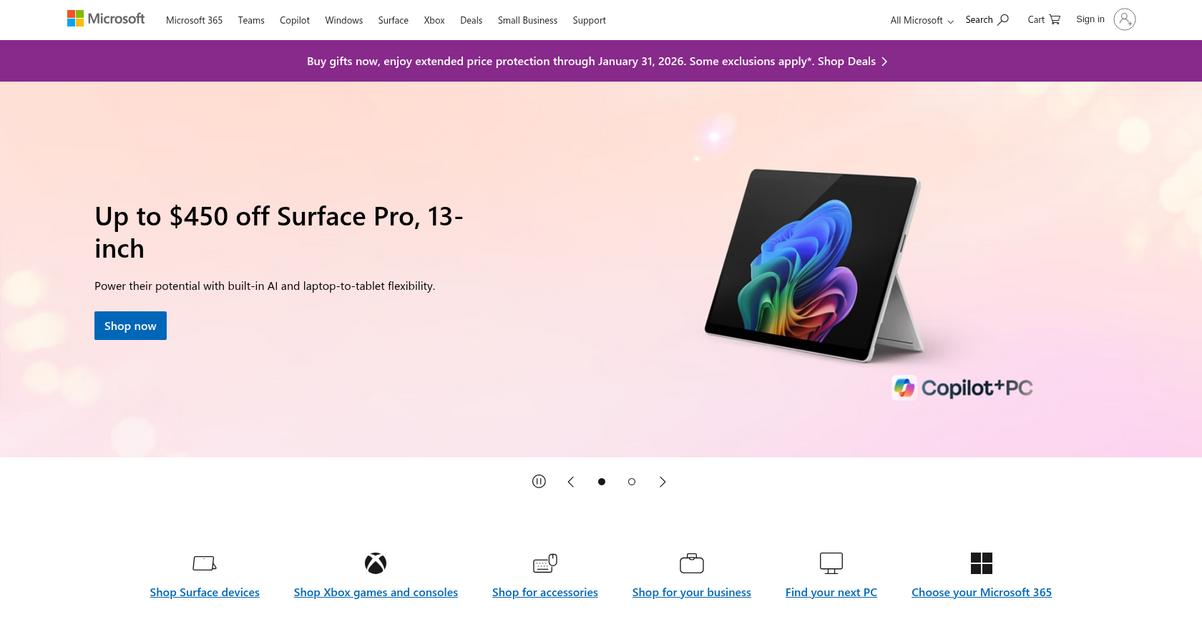
Microsoft 365 steps in with robust desktop apps, native .docx support, and seamless integration through OneDrive and SharePoint, addressing key Google Workspace gaps with more control and flexibility.
The biggest difference is how Microsoft 365 gives you full-featured desktop Office applications with offline access and advanced functionality. This single upgrade can power up your workflow and bridge the integration headaches you often face with Google Workspace.
Here’s how Microsoft 365 becomes a game changer.
Microsoft 365 lets your team ditch web-only barriers and access familiar Office apps both online and offline, which means they get the advanced tools they’re used to and never lose productivity if your internet connection drops.
Plus, your files live in OneDrive or SharePoint, so you’ll benefit from unified document storage and truly granular sharing, moving beyond Google Drive’s simpler permission model.
If you’re ready for a more powerful alternative, here’s what makes Microsoft 365 really stand out as your next document collaboration hub.
Not only can you move away from Google Workspace’s web-focused model, but Microsoft 365 gives you full-featured Word, Excel, and PowerPoint apps for both cloud and desktop, which unlocks deeper editing capabilities for your documents.
You’ll also notice perfect file compatibility thanks to industry-standard formats, taking the guesswork out of sharing or integrating with external partners and clients who rely on Microsoft Office every day.
And by pairing OneDrive and SharePoint, you gain integrated cloud storage and file management, driving smarter version history, collaboration, and controls across distributed teams.
Microsoft 365 can help you work smarter now.
Key features:
- Full-featured desktop Office applications with offline access allow your team to edit documents using advanced functionality, regardless of internet connectivity—thereby eliminating Google Workspace’s web-only limitations.
- Unified document management via OneDrive and SharePoint delivers granular sharing, real-time co-authoring, and advanced team workflow capabilities, surpassing Google Drive’s limited permission models.
- Native support for .docx, .xlsx, .pptx formats ensures industry-standard file compatibility, so you never worry about conversion errors or formatting issues when collaborating or sharing outside your company.
Verdict: Microsoft 365 stands out as a top Google Workspace alternative for document collaboration, offering advanced desktop functionality, integrated cloud storage, and perfect file compatibility. Companies switching save employees 1.5 hours weekly, with AI features boosting productivity up to 40%—a clear upgrade for growing teams.
3. Dropbox Business
Looking for a simpler way to control your documents?
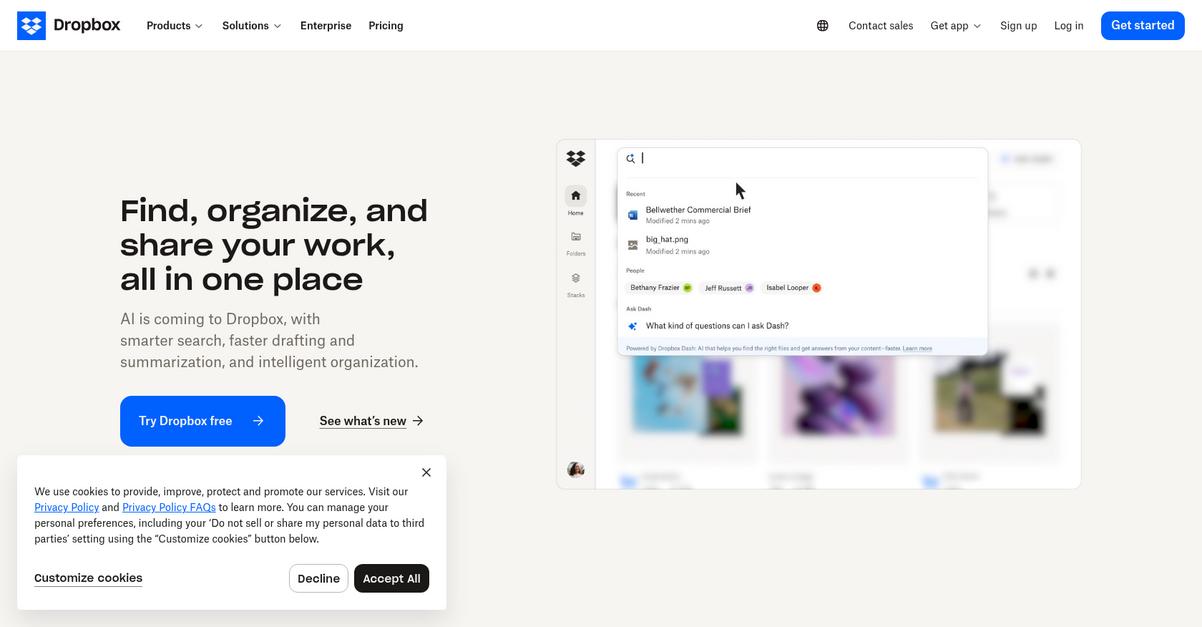
Dropbox Business gives you direct access to all your files with Smart Sync, easy external sharing, and Dropbox Paper collaboration, which directly addresses Google Workspace’s rigid app ecosystem.
Unlike Google Workspace, Dropbox Business lets you keep every file on-demand without compromising device storage or access speed. This is especially useful for growing teams dealing with bloated drives and multiple device types.
It’s time to see how this can benefit you.
Dropbox Business is purpose-built for teams that prioritize efficient syncing, frictionless sharing, and seamless real-time collaboration, making it one of the strongest alternatives to Google Workspace.
You gain instant access to every file through Smart Sync without filling up your device’s storage, and Dropbox Paper offers a distraction-free place for team documents and tasks. This makes switching from Google Workspace far less daunting if you need to centralize work.
Plus, the centralized file sharing features allow your team to send large folders to clients and partners outside your company, keeping external collaboration simple and secure alongside internal workflows.
All of these combine for an experience that makes day-to-day work easier.
Key features:
- Smart Sync for space-saving file access lets your team view every file and folder right from their desktops, even if nothing is stored locally, increasing productivity and device flexibility.
- Centralized and secure external file sharing allows you to quickly send large documents to partners or clients, addressing collaboration bottlenecks you may face with Google Workspace.
- Dropbox Paper for collaborative document editing gives your team a simple, unified space to co-author notes, plans, and to-dos inside the same storage platform.
Verdict: Dropbox Business offers a clear Google Workspace alternative if you want intuitive file sync, streamlined sharing, and real collaboration. You could save up to 2,722 hours per year, with reported ROI gains reaching 802%. This makes Dropbox Business especially compelling for workflow-driven document collaboration software needs.
4. Notion
Need more tailored control than Google Workspace offers?
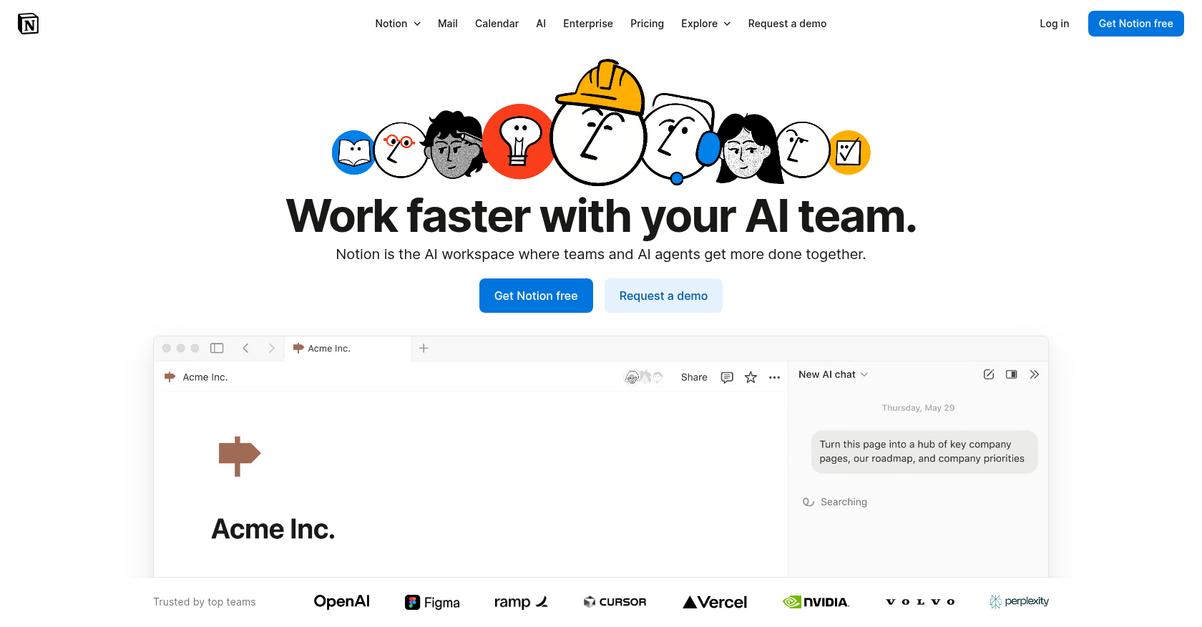
Notion’s flexible workspace fixes big pain points by letting you create documents from customizable blocks, embed databases, and manage content without Google’s fixed document constraints.
This means you’re not stuck making do with static files—Notion gives you modular building blocks for fully custom document setups that Google Workspace can’t match, especially if you need wikis or knowledge bases.
Consider this your chance to escape rigid workflows.
Notion lets you create living, interconnected documents, which is a game changer if you feel boxed in by Google Workspace’s predefined doc types and complex sharing permissions.
Here’s how Notion gives you complete freedom as a Google Workspace alternative.
Instead of separate docs, wikis, and spreadsheets, Notion pulls everything together into one fully customizable workspace. You get real-time collaboration plus granular sharing options for any content—whether it’s a database, project dashboard, or internal wiki—so your team can finally organize information your way.
Additionally, Notion’s integrated databases make it easy to link content, build task trackers, and create knowledge repositories alongside daily project docs. The result is a single source of truth that evolves with your needs instead of splitting tasks and information across disconnected Google files.
You finally get the document flexibility you’ve wanted.
Key features:
- Modular page building for every content type lets you organize docs, wikis, and databases with flexible blocks and custom layouts—not just fixed spreadsheets or docs like in Google Workspace.
- Integrated databases within your documents and wikis support custom workflows, task trackers, and knowledge bases natively, so you’re no longer limited by Google’s rigid document separation.
- Real-time collaboration with granular sharing controls means you can invite teammates or stakeholders to edit, comment, or view only specific sections—solving common permission hassles in Google Workspace.
Verdict: Notion is a compelling Google Workspace alternative if you want flexible document collaboration with robust project and knowledge management. With users seeing up to 87% higher task completion rates, switching to Notion can help you organize, track, and collaborate all in one truly customizable workspace.
5. Atlassian Confluence
Need better control over your team’s knowledge base?
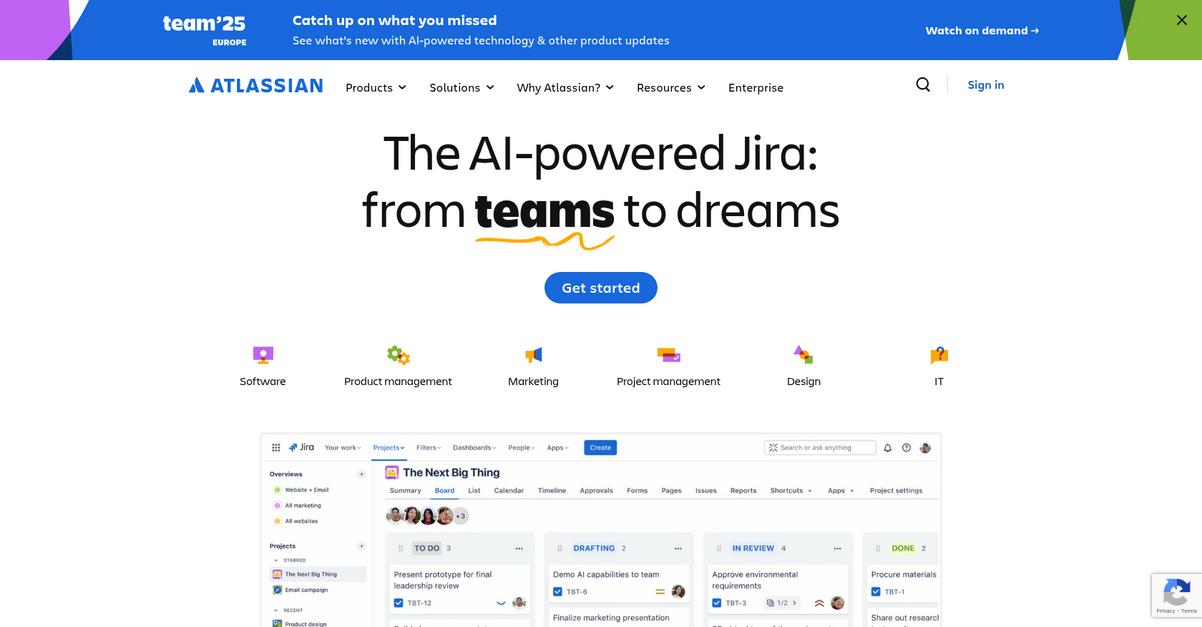
Atlassian Confluence gives you structured wiki pages, pre-built templates, and seamless integration with Jira, tackling the typical permission and organization gaps in Google Workspace.
This puts your team in control from day one.
Unlike Google Workspace, Confluence creates a single source of truth your team trusts for documentation and knowledge sharing, minimizing lost information and confusion as your team grows.
Confluence solves your document chaos by combining wiki-style organization with project-ready collaboration tools no matter how large your team grows.
With Confluence, you get a dedicated knowledge management platform where you can build, organize, and link information for better team collaboration. This is different from Google Workspace’s scattered Docs and limited permission layers, especially vital if your team needs advanced documentation and integrated workflows.
Additionally, pre-built templates for project plans and meeting notes help you set consistent content standards, so everyone knows what goes where. Pair that with direct Jira integration, and your entire development or project workflow lives in one hub instead of bouncing between platforms and hunting for updated files.
You can create and find what you need, faster.
Key features:
- Powerful wiki platform for structured knowledge management lets your team create, organize, and link documentation or project plans, addressing confusion caused by unstructured files in Google Workspace.
- Pre-built templates that standardize documentation enable consistent creation of project plans and meeting notes, reducing manual formatting and helping everyone adopt best practices from day one.
- Integrated Jira linkage for contextual collaboration connects Confluence pages directly to Jira issues and projects, streamlining handoffs and project tracking — a big gap in typical Google Workspace setups.
Verdict: Atlassian Confluence is one of the best Google Workspace alternatives for document collaboration. Users report a 428% ROI and $9.2 million in productivity gains, with project durations cut by 25%. Its wiki platform, templates, and Jira integration directly target your pain points with Google Workspace.
6. Zoho Workplace
Tired of hitting Google Workspace’s permission walls?
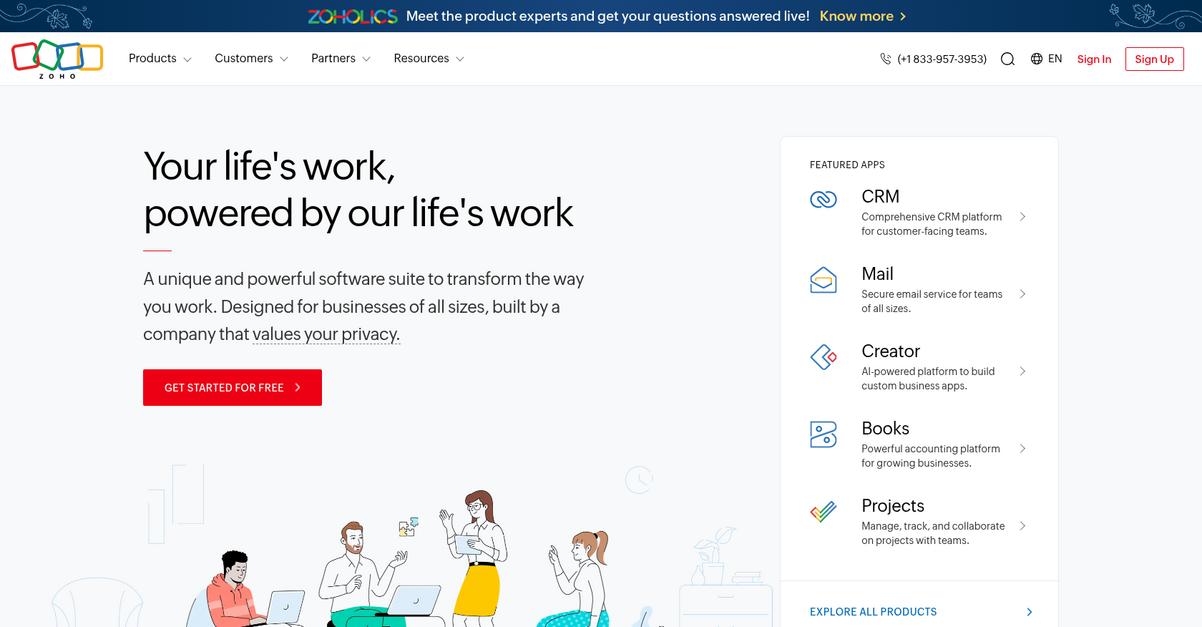
Zoho Workplace fixes those gaps with integrated office apps, detailed version control, and top-tier privacy protections—all from a single dashboard.
This means you can count on granular document tracking and easier rollback options every time you collaborate, eliminating the guesswork when someone edits a shared file.
Here’s where Zoho Workplace stands apart.
You get more control without complicated setup.
Zoho Workplace tackles document collaboration struggles by letting you manage everything in one place, sidestepping the patchwork feel you might get with Google Workspace’s mix of tools.
With enhanced document version control, you’re covered on the compliance and audit front—think easy rollbacks and full revision history at your fingertips so your files are never at risk if mistakes happen or changes go unnoticed.
If strict data privacy is your concern, Zoho Workplace puts users first with deep GDPR and HIPAA compliance built in, meaning your business data stays truly yours, not mingled with third-party analytics profiles or ads.
Additionally, its cost-effectiveness is no small thing: real users switching see up to 30% software savings, making your move pain-free on both the budget and IT front.
Now robust control finally lines up with everyday use.
Key features:
- Full office suite for document collaboration gives your team robust alternatives to Google Docs, Sheets, and Slides with better editing and control—all in one interface.
- Advanced document versioning and rollback tools deliver detailed tracking, audit trails, and one-click file restoration, which improves oversight far beyond Google Workspace’s simpler change history.
- Dedicated privacy and compliance settings put your business fully in control of user data, adhering to global standards and making migrations safer and less stressful for sensitive operations.
Verdict: Zoho Workplace is a powerful alternative to Google Workspace for document collaboration. You can expect stronger version control, advanced privacy, and up to 30% lower software costs. If your team is outgrowing Google Workspace’s limits, Zoho Workplace offers more control with no extra headaches.
7. ClickUp
Outgrowing Google Workspace’s document restrictions and workflow gaps?
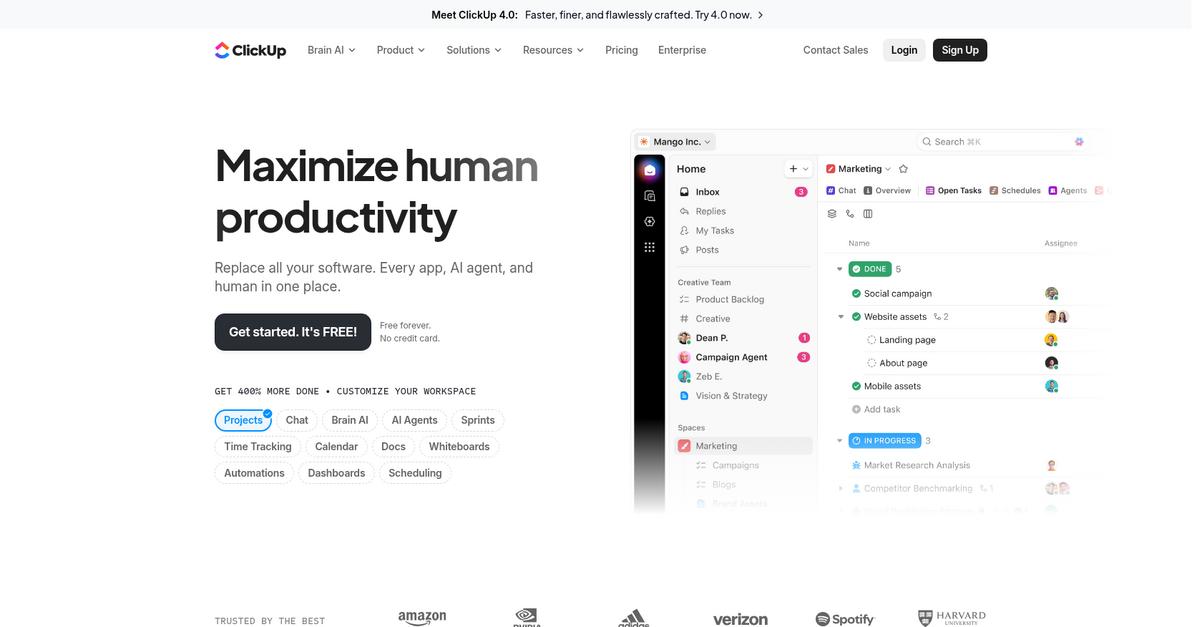
ClickUp solves those headaches by letting you combine document editing, collaborative whiteboards, and project management—all within a single, unified workspace for your entire team.
Instead of jumping between disconnected tools like you would in Google Workspace, you can rely on centralized workflows and real-time project visibility with ClickUp. User permissions and granular controls give you peace of mind on sensitive documents while reducing redundant manual work.
All of this drives efficiency and clarity.
ClickUp goes much further as an alternative for growing teams.
You get a single productivity platform that manages documents, tasks, and projects side by side—solving the problem of siloed files and scattered information you typically encounter in Google Workspace.
Plus, you can finally link docs directly to project tasks and timelines, making context switching a thing of the past. Set up customizable workflows and templates that match exactly how your team operates, so you’re not boxed into generic document processes.
Additionally, real-time whiteboards and collaborative note-taking mean your meetings and brain dumps live right next to actionable project plans. The result is a complete operational hub that lets you scale collaboration, automate routine steps, and maintain tighter document controls as your team grows.
ClickUp empowers your processes, not the other way around.
Key features:
- Unified docs, whiteboards, and project workspace brings real-time collaboration, brainstorming, and actionable next steps together—eliminating tool sprawl common with Google Workspace users.
- Direct linking of docs to custom workflows allows you to manage knowledge, tasks, and project timelines in one place rather than scattered folders or separate apps.
- Advanced permissions and granular control options let you precisely manage who can view, edit, or comment on sensitive docs, giving you improved oversight versus basic Google Workspace controls.
Verdict: ClickUp is one of the best Google Workspace alternatives if you want true document collaboration blended with project management. Users report a 384% ROI and 92,400 manual hours saved, thanks to customizable workflows, integrated docs, and streamlined team adoption—making it perfect for scaling document-heavy operations.
8. monday.com
Overwhelmed by clunky permissions and scattered documents?
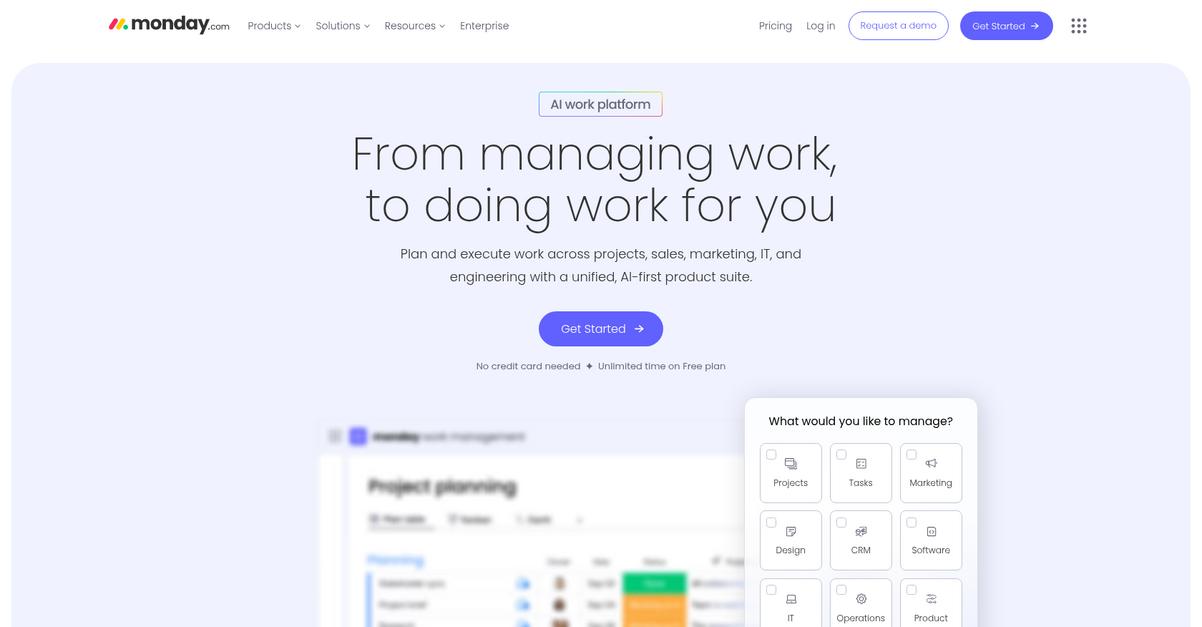
monday.com addresses this with its integrated Workdocs and project boards, letting your team create, edit, and manage documents right alongside tasks and workflows.
Unlike Google Workspace, monday.com empowers you with contextual document management tied directly to your project tasks. You gain visibility and control, reducing tedious jumping between disconnected apps and endless permission confusion.
That’s where things start to improve.
With monday.com, you get a document collaboration alternative designed for project-centric control.
Your team can edit docs together inside project boards using Workdocs, so every file, note, and update syncs instantly with tasks and timelines. The platform’s visual boards make it easy to track who’s working on what, connect comments directly to documents, and keep everyone on the same page for every deliverable. You’ll appreciate the centralized project communication and document access for your whole team, cutting through the scattered email chains and isolated Google Docs.
Plus, the flexible workspace adapts to the way you manage projects, bringing all documents, discussions, and status updates under one roof for real-time progress and better security controls than Google Workspace offers.
You get document collaboration that truly streamlines your team’s workflow.
Key features:
- Workdocs for contextual document creation lets your team draft, comment, and edit collaboratively right inside project boards—solving the scattered document issue present in Google Workspace.
- Visual project boards with progress tracking give you a flexible, centralized way to manage tasks and documents together for deep project insight you won’t get in Google Workspace.
- Centralized task and document communication tools consolidate comments, updates, and notifications directly on documents, reducing communication overhead that often slows teams using Google Workspace.
Verdict: monday.com offers everything you wish Google Workspace delivered for document collaboration: integrated project-centric docs, visual planning, and tight communication. Customer results show a 40% cut in communication overhead and 25% increase in project profitability, all from a single, flexible Work OS that fits your real workflow needs.
Conclusion
Google Workspace just not cutting it anymore?
If clunky permission controls and missing advanced features keep blocking your workflows, it’s no wonder you’re itching for a better document management solution.
You’re right to look for something new—every day with limited control drains both morale and productivity. Making a switch isn’t easy, but what you gain is real control, real security, and real efficiency for your whole team.
Let’s talk about the best option.
FileCenter tops my list for a reason: you get powerful local file organization, robust scanning, and granular document security—all without Google Workspace’s frustrating limitations.
I’ve seen FileCenter help teams streamline document chaos and boost compliance, especially when you need desktop control that Google Workspace just can’t deliver. It’s a breath of fresh air for growing businesses that have outgrown Google’s one-size-fits-all tools.
Try FileCenter free or check out the pricing today to see the difference.
Enjoy more control and fewer headaches.