
Tired of waiting on Zoho WorkDrive syncs?
It’s so frustrating when your files take ages to upload or sync fails altogether, directly slowing down your remote team’s workflow.
That kind of lag can kill motivation and drain productivity across distributed teams relying on up-to-date documents.
Every failed sync or clunky external sharing request means lost time, missed deadlines, and stressed-out team members who just want document management to work. The longer it goes on, the more you realize you’re losing control over your workflow and why switching is starting to feel urgent.

The good news is you have better options right now that can provide smoother large file syncing, reliable external collaboration, and smarter version control.
In this article, I’ll show you the best Zoho WorkDrive alternatives that outshine WorkDrive in remote document management. I’ll dive deep into solutions like FileCenter, Google Workspace, Dropbox, DocuWare, Box, Fluix, Laserfiche, Connecteam, and Microsoft.
Switching can mean streamlined workflows, happier teams, and a lot less tech hassle.
Let’s explore your options.
Quick Summary:
| # | Alternative | Rating | Best For |
|---|---|---|---|
| 1 | FileCenter → | Users wanting modern interfaces | |
| 2 | Google Workspace → | Teams needing better collaboration | |
| 3 | Dropbox → | Teams needing better storage control | |
| 4 | DocuWare → | Companies requiring better support | |
| 5 | Box → | Budget-conscious growing businesses |
1. FileCenter

Tired of the sync lag with Zoho WorkDrive?
FileCenter focuses on desktop-first document management, offering a familiar cabinet-drawer-folder structure and native file editing capabilities that make managing remote documents easier and faster for your team.
Unlike Zoho WorkDrive, FileCenter’s approach uses a simple digital filing system your team already understands, so there’s less training and confusion as you switch. This means you won’t have to worry about lost productivity or a messy migration.
Plus, FileCenter can truly put you back in control.
The solution FileCenter brings is built for teams frustrated by clunky browser-based systems.
You can easily digitize your paper documents using built-in scanning and OCR, so all those scanned files are instantly searchable—no more manual uploads or endless folder clicks like with Zoho WorkDrive. Editing and saving files with their original applications is seamless, which means you get zero sync delays and keep your existing workflows intact.
Additionally, the cabinet-drawer-folder system helps your remote team adopt FileCenter quickly. Drag-and-drop local file control and clear organization eliminate fears about workflow disruption and make migrating large sets of documents feel manageable, even if you’re anxious about permissions and versions.
Effortless file management finally becomes possible.
Key features:
- Cabinet-drawer-folder digital filing system matches physical filing habits, allowing your remote team to onboard quickly and organize files intuitively, without spending days retraining or configuring.
- Integrated scanning and OCR capabilities let you digitize paper records in a single step, turning them into searchable files and eliminating Zoho WorkDrive’s cumbersome upload process for remote workflows.
- Native file editing with no explicit check-in lets your team edit and save directly via Windows apps, removing the sync lag and version headaches you often face with web-based systems.
Verdict: FileCenter is a compelling Zoho WorkDrive alternative if your remote team wants intuitive document management with stronger local file control. Its unique cabinet-drawer-folder system and native desktop editing fix performance frustrations, making it ideal for those who want easy onboarding and organization without complicated syncing.
2. Google Workspace
Waiting for files to sync again?
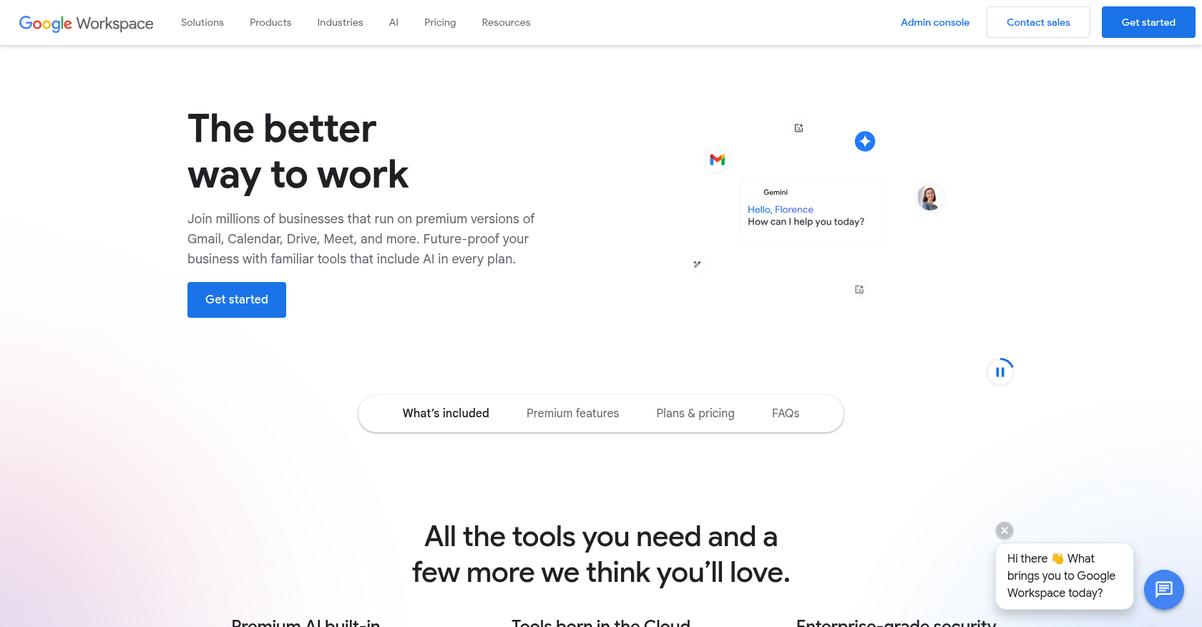
Google Workspace brings faster file access, smooth real-time collaboration, and broader integrations—all things you’ve probably been missing if Zoho WorkDrive has been slowing your remote team down.
It attacks the core problems by letting your team co-edit files together in the browser while offering much more powerful file search and flexible external app integration. Google Workspace truly stands apart with more robust real-time co-authoring and easier collaboration than before.
You don’t have to settle for frustrating delays.
Switching to Google Workspace means you can break free from the sync lags and limitations you’ve hit in Zoho WorkDrive, finally giving your remote team the flexibility and responsiveness you need.
This means you’re no longer waiting to access or share important documents across your team.
Here’s how Google Workspace solves your file management headaches: it lets your whole team update, comment on, and manage documents in real time, right from any web browser, so there’s no more waiting for slow syncs or worrying about conflicting versions.
Plus, you’ll appreciate the advanced AI-powered search that finds documents instantly, even across emails and attachments, saving you from endless folder digging. If you’re moving complex data from Zoho WorkDrive, you gain fast search and collaboration without re-training your team.
Google Workspace also connects with thousands of third-party apps, expanding your automation and workflow options far beyond the Zoho ecosystem. That kind of integration means you control how your team works.
You get collaboration power and flexibility for your team.
Key features:
- True real-time collaborative editing across Drive enables your entire team to create, edit, and comment on documents at once, outpacing Zoho WorkDrive’s collaboration speed by a wide margin.
- Superior AI-powered document search and discovery helps locate any file within seconds, whether it’s in Google Drive, Gmail, or connected apps, improving access compared to Zoho WorkDrive’s basic search.
- Extensive integrations beyond Google’s native suite connect your Drive files with thousands of third-party tools, delivering a far broader workflow reach than Zoho-centric alternatives.
Verdict: Google Workspace stands out as a Zoho WorkDrive alternative for remote teams that crave fast access, strong real-time co-editing, and integration flexibility. Its browser-based tools and advanced search cut file access time significantly, making collaboration and workflow customization simple—even for larger remote teams.
3. Dropbox
Tired of Zoho WorkDrive’s sync performance issues?
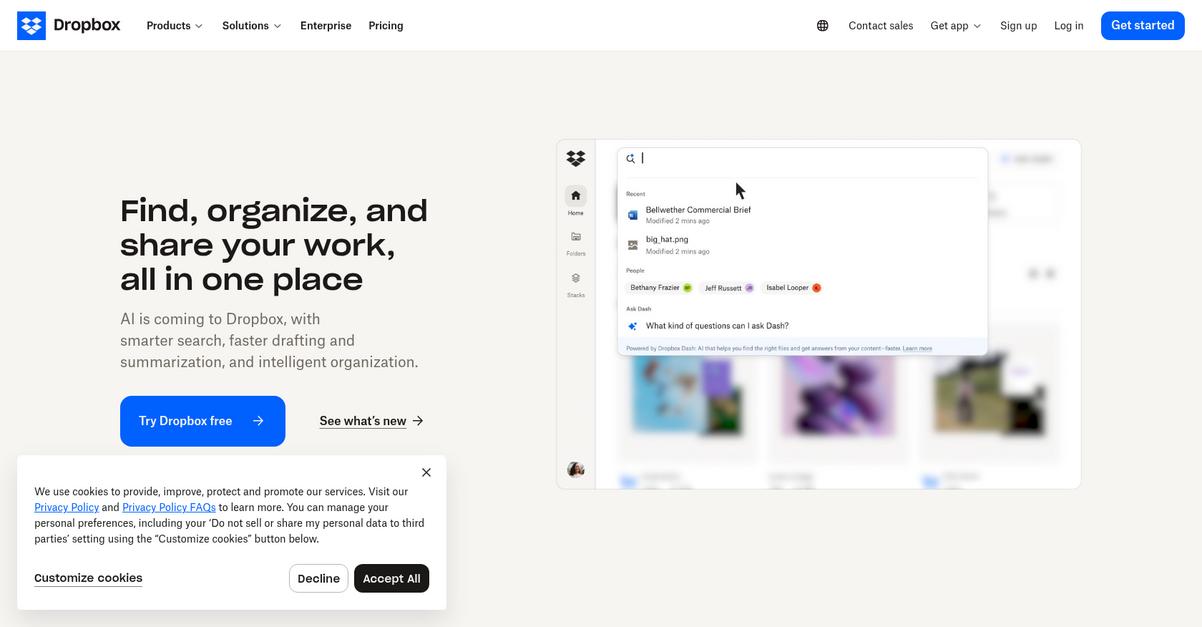
Dropbox tackles this with Selective Sync and Smart Sync, giving you full control over which files sync locally versus being stored in the cloud.
This means Dropbox helps you avoid hard drive overload, especially when handling large files—something that often slows things down on Zoho WorkDrive. You can count on more granular sync control right from your desktop so your remote team keeps moving without storage bottlenecks.
Here’s how Dropbox changes your document management experience.
Instead of feeling boxed in by sync problems or restricted sharing, Dropbox streamlines your cloud file access and version control for remote teams.
Dropbox provides a simpler way to keep your remote team productive, especially if large file management and external collaboration are tripping you up on Zoho WorkDrive.
You gain instant file access without eating up storage, with Selective Sync and Smart Sync ensuring only what you need is downloaded. Even better, Dropbox’s robust file versioning lets you confidently recover previous versions, so if someone accidentally overwrites or deletes content, it’s not a crisis. The integrated Dropbox Spaces view brings files, tasks, and team discussions together for a cleaner project focus—far beyond what Zoho WorkDrive can do.
Additionally, Dropbox excels at external and cross-team sharing. That’s crucial if you often collaborate with clients or vendors who don’t have internal access. Combining this with its easy-to-use design means fewer headaches adopting new software.
Dropbox could be the upgrade your remote team needs.
Key features:
- Selective Sync and Smart Sync save drive space by controlling which files download locally and which live in the cloud, letting your remote team manage huge files without slowdowns.
- Comprehensive file versioning and recovery tools automatically save multiple file versions, so accidental deletions or edits are reversible without complex settings or IT help.
- Dropbox Spaces centralizes project resources and conversations in a dedicated hub, keeping documents, tasks, and discussions unified to streamline project management in remote setups.
Verdict: Dropbox emerges as a powerful alternative to Zoho WorkDrive if you want smarter large file syncing, reliable file recovery, and true project-centric collaboration. Dropbox’s Smart Sync feature alone can cut local storage use by up to 80%, freeing your team to collaborate on projects without frustrating delays or space issues.
4. DocuWare

Sync delays keep tripping up your remote workflows?
DocuWare tackles those frustrations with configurable document workflows that automate routing, approvals, and document tasks—something Zoho WorkDrive never managed for our more complex projects.
Unlike Zoho WorkDrive’s more limited approach, DocuWare’s advanced automation fits even specialized business processes. You never have to choose between flexibility and efficiency when documents need to move across your remote team.
Let’s take a closer look at how it delivers.
Here’s how DocuWare stands out as your go-to solution.
If you’re tired of manual processes and slowdowns, DocuWare’s automation lets your documents move exactly where they’re needed, without bottlenecks or wasted time.
You can automate routing with rules-based flows, while Intelligent Indexing captures and tags documents using AI for accurate archiving and quick retrieval. No more anxiety over lost files or version confusion when you switch from Zoho WorkDrive.
Additionally, you’ll get detailed audit trails for every document change, making compliance and accountability simple even if you have strict regulatory needs. Powerful workflow automation, AI-driven data capture, and compliance tools work together to streamline remote collaboration.
This really improves remote team productivity and peace of mind.
Key features:
- Rule-based workflow automation for document routing moves files, triggers approvals, and assigns tasks automatically, handling complex business processes better than manual routing in Zoho WorkDrive.
- AI-powered Intelligent Indexing and auto-archiving captures, categorizes and stores documents with accurate indexing, reducing errors and time spent on manual organization versus Zoho WorkDrive.
- Comprehensive audit trails for compliance provide immutable logs of every document action, giving you transparency and regulatory peace of mind that Zoho WorkDrive can’t match.
Verdict: DocuWare makes a compelling Zoho WorkDrive alternative if your remote team needs robust workflow automation and compliance features. For remote document management, DocuWare’s AI-powered indexing and customizable workflows deliver more control, speed, and audit capabilities—especially when your needs outgrow basic file syncing.
5. Box
Tired of lagging syncs and limited sharing features?
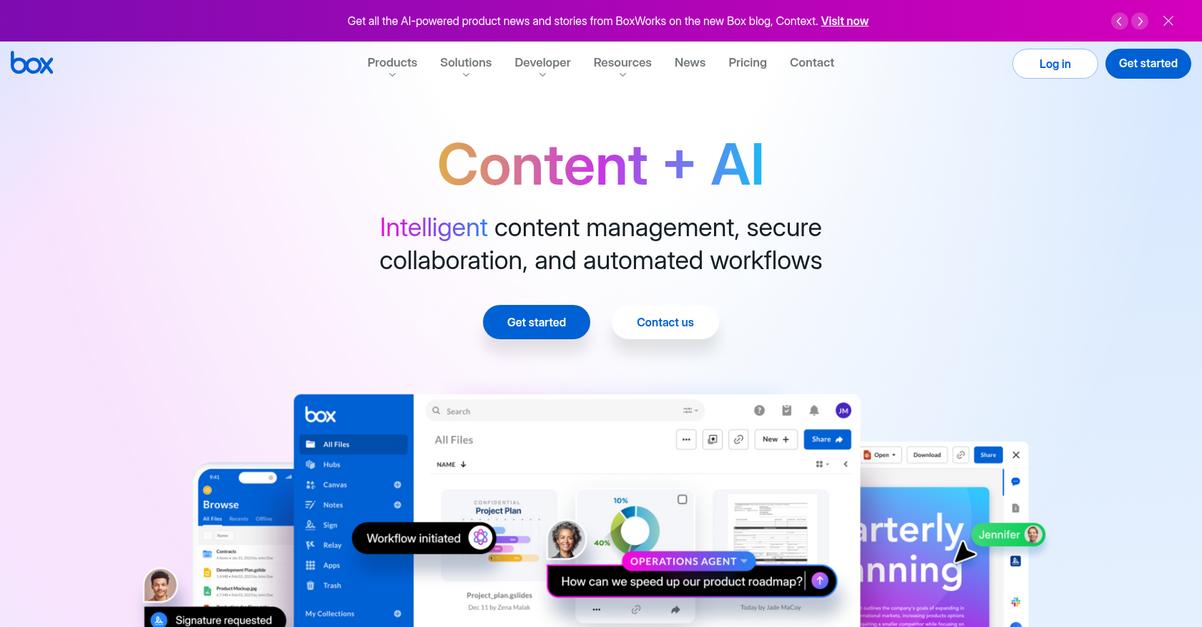
Box brings advanced security controls, wide-ranging integrations, and automated workflows that directly solve the sluggish performance and restrictive collaboration hurdles you might face with Zoho WorkDrive.
For teams hit by large file sync delays or complicated migrations, Box gives you granular access management and enterprise-grade safeguards missing in Zoho WorkDrive. This means your sensitive documents and permissions stay protected, even during complex projects.
Switching to Box is much less disruptive for remote teams.
Box can completely transform document management frustrations when you upgrade from Zoho WorkDrive.
Instead of working around slow syncing or restrictive file sharing, Box gives your team powerful granular security, retention policies, and data loss prevention in a single cloud workspace. If you’re tired of tiptoeing around compliance or access risk, Box’s deep security options keep you confidently in control while accelerating productivity for everyone.
Add in extensive integrations and enterprise APIs, and you’ll connect all your business applications natively—far beyond what Zoho WorkDrive’s ecosystem lets you do. Plus, Box Relay’s no-code workflow automation means you create custom approval and review processes without IT bottlenecks, so you can turbocharge document cycles for remote teams.
You finally get powerful automation and peace of mind.
Key features:
- Enterprise security and compliance controls let you implement granular permissions, retention, and data loss prevention, meeting stricter requirements than Zoho WorkDrive without slowing down user access.
- Hundreds of native integrations plus robust APIs connect seamlessly with your business apps, automating workflows across more platforms than Zoho WorkDrive’s limited integration suite.
- No-code workflow builder with Box Relay empowers you to customize content-driven approval and review processes, letting remote teams automate routine work beyond Zoho WorkDrive’s basic capabilities.
Verdict: Box is the go-to alternative for remote teams needing greater security, automated workflows, and enterprise integrations compared to Zoho WorkDrive. Its enterprise-grade security and hundreds of integrations make it a strong fit if your team struggles with syncing, collaboration, or compliance challenges.
6. Fluix
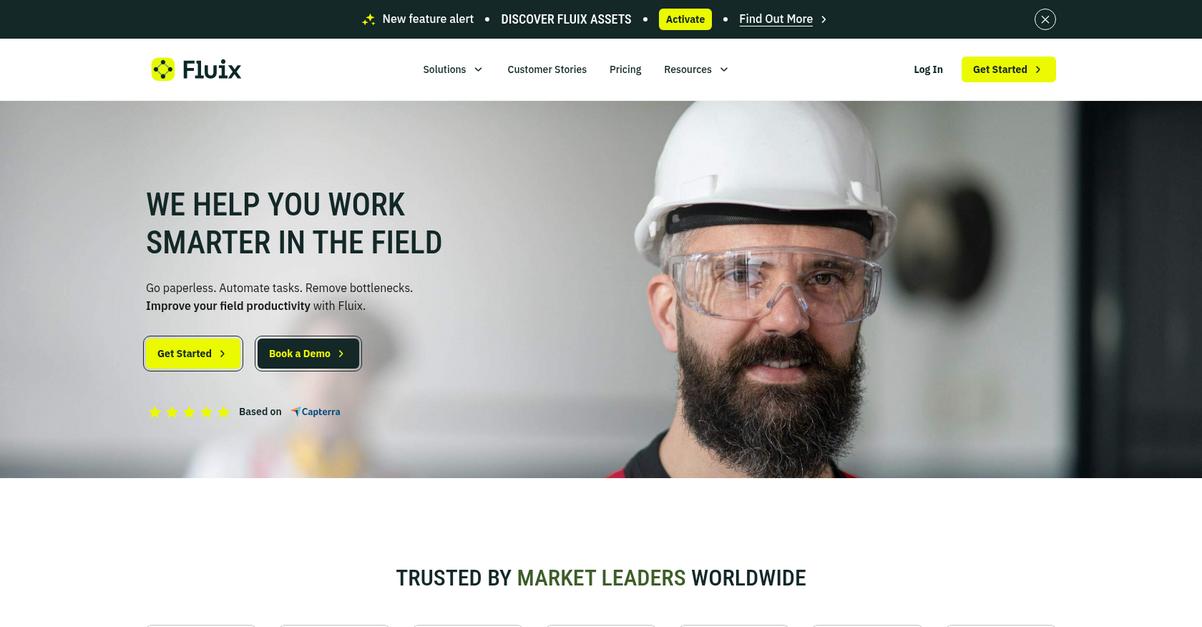
Tired of Zoho WorkDrive dragging down your remote team?
Fluix focuses on mobile-first workflow automation, letting your crew capture forms, sign documents, and submit files right from any mobile device—even offline in the field.
This means you get superior offline access, faster field data capture, and more robust workflow automation than Zoho WorkDrive. If your frustration comes from syncing issues or struggling to move critical documents in and out of the field, Fluix puts you back in control.
Now, let’s dive into exactly how Fluix solves these headaches.
Fluix turns mobile data capture into a strength, replacing Zoho WorkDrive’s limitations with offline form entry, on-the-go signatures, and instant document handling—even if your team has spotty mobile connections.
What sets it apart is the automated document routing with custom rules and notifications, so nothing gets lost during approvals. You can keep field and office teams moving together, without pausing for uploads or worrying about missed reviews.
Additionally, Fluix integrates directly with your CRM, ERP, and cloud storage tools, automating the way key documents and data flow between your field teams and back office. This centralizes everything so documents never get bottle-necked, which solves one of the biggest operational gaps that hold you back on Zoho WorkDrive.
Switching to Fluix means smoother mobile workflows.
Key features:
- Mobile-first form and document handling enables your remote field teams to fill, sign, and submit documents on mobile devices even when offline, which reduces sync lag and data loss.
- Automated document workflow routing transforms manual submissions and reviews into streamlined, rule-based processes with notifications, ensuring nothing delays remote approvals or document tracking.
- Targeted business system integrations connect Fluix to your CRM, ERP, and cloud services directly, letting your captured field data flow instantly to the right systems, unlike the basic integrations offered by Zoho WorkDrive.
Verdict: Fluix stands out as a powerful Zoho WorkDrive alternative for remote field teams. With mobile-first document capture, offline access, and workflow automation, it replaces your sync headaches with efficient processing and field-ready integrations. Your team can finally control documents, forms, and approvals in real time.
7. Laserfiche
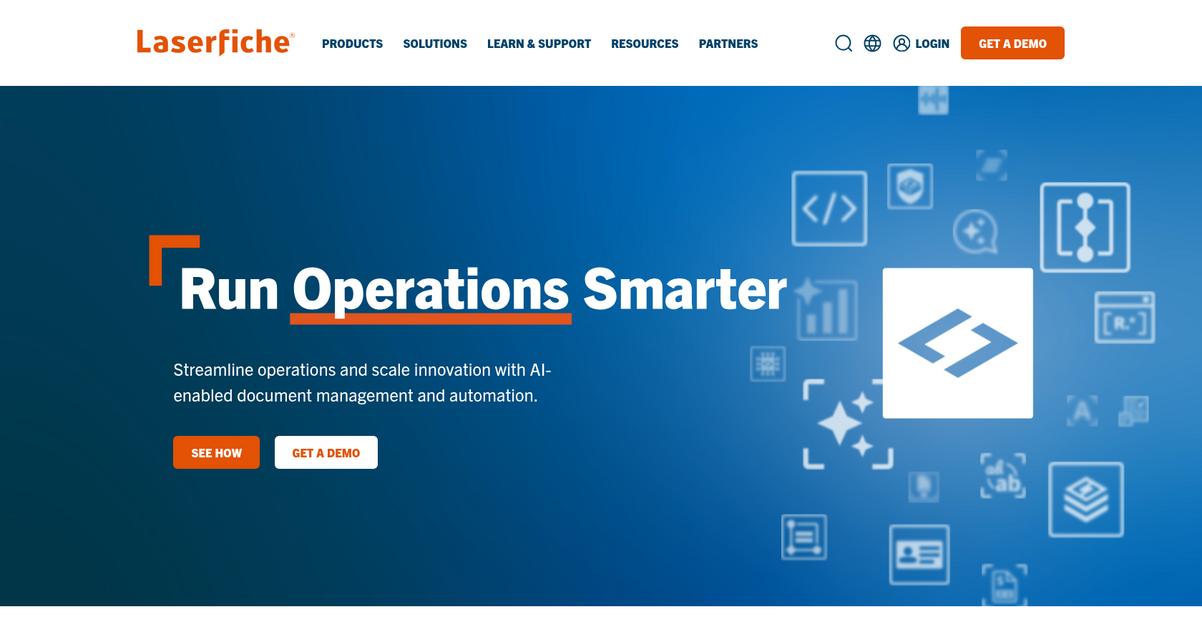
Overcoming sync lag headaches is possible.
Laserfiche brings advanced AI-powered document capture, robust records management, and deep automation—directly targeting the exact frustrations many users face with Zoho WorkDrive.
This means your remote team gains automated document organization, accurate data extraction, and compliance controls missing from Zoho WorkDrive. If you’re managing large or sensitive files, Laserfiche handles more types while reducing your manual workload.
Ready for a more reliable solution?
Laserfiche helps your team move beyond Zoho WorkDrive’s sync and sharing limits by introducing intelligent content services and automated process controls.
Here’s how it goes further: Laserfiche’s AI-driven intelligent capture automatically classifies and extracts data from scanned documents, forms, and incoming digital files—cutting down time spent on manual data entry and improving accuracy for every remote user.
Additionally, you’ll benefit from enterprise-grade records management previously unavailable with Zoho WorkDrive, including automated retention schedules, legal hold workflows, and detailed audit trails. These features keep your business aligned with regulations while enabling confident external collaboration—perfect if compliance makes you anxious about switching.
The result is document management without compromise.
Key features:
- AI-powered intelligent capture and data extraction enables your remote team to automate document identification and metadata extraction, eliminating manual data entry far more efficiently than Zoho WorkDrive.
- End-to-end records management and compliance controls provide automated retention policies, full audit trails, and legal holds, ideal for remote collaboration in regulated sectors where Zoho WorkDrive falls short.
- Advanced business process automation platform lets you design and automate complex workflows beyond simple document routing, unlocking greater operational efficiency for your remote workforce.
Verdict: Laserfiche outperforms Zoho WorkDrive for remote-first teams that need advanced automation and compliance. Its intelligent capture, full records management, and business process automation enable you to tackle document complexity—making it an appealing upgrade for remote document management in regulated, high-growth environments.
8. Connecteam

Is Zoho WorkDrive dragging down your deskless team?
Connecteam takes a different route by centralizing communication, scheduling, and document access in a single mobile-first app, designed to keep everyone on the same page wherever they work.
With Connecteam, you gain more than file storage: you get one hub for team chats, policy handouts, and digital forms so employees don’t miss critical info just because they’re away from their desks.
If you’re searching for a better way, keep reading.
Connecteam brings true document access and management to your frontline staff by making everything—policies, handbooks, schedules—instantly available right from their smartphones.
Here’s how this stands out: instead of only storing documents in team folders like Zoho WorkDrive, Connecteam’s Employee Document Center distributes the right resources straight to those who need them, no matter their location, role, or shift. Employees can open essential files, submit forms, and complete checklists from the field, meaning version control and compliance don’t get lost in email chains or desktop folders.
Additionally, Connecteam’s built-in forms and checklists digitize routine workflows, capturing field data directly into your system. The result is a platform where team communication, HR documents, and task management finally come together, so your switch from Zoho WorkDrive actually improves everyday productivity.
That’s why Connecteam might fit your needs.
Key features:
- Easy access to documents on any device delivers handbooks, pay stubs, and more straight to your employees’ mobile phones, reducing confusion and improving compliance for your remote teams.
- Integrated chat, scheduling, and document tools enable staff to communicate, access policies, and manage daily operations all in one place, eliminating the gaps Zoho WorkDrive leaves.
- Custom forms and checklists for field tasks digitize operational workflows like safety checks and reports, so data isn’t lost and efficiency increases compared to Zoho WorkDrive’s basic storage.
Verdict: Connecteam stands out as a Zoho WorkDrive alternative if your remote team needs centralized HR, communication, and document access rolled into one. Its employee-first approach particularly suits field-based teams, making everyday document access and task management more reliable and reducing adoption friction compared to traditional DMS platforms.
9. Microsoft 365
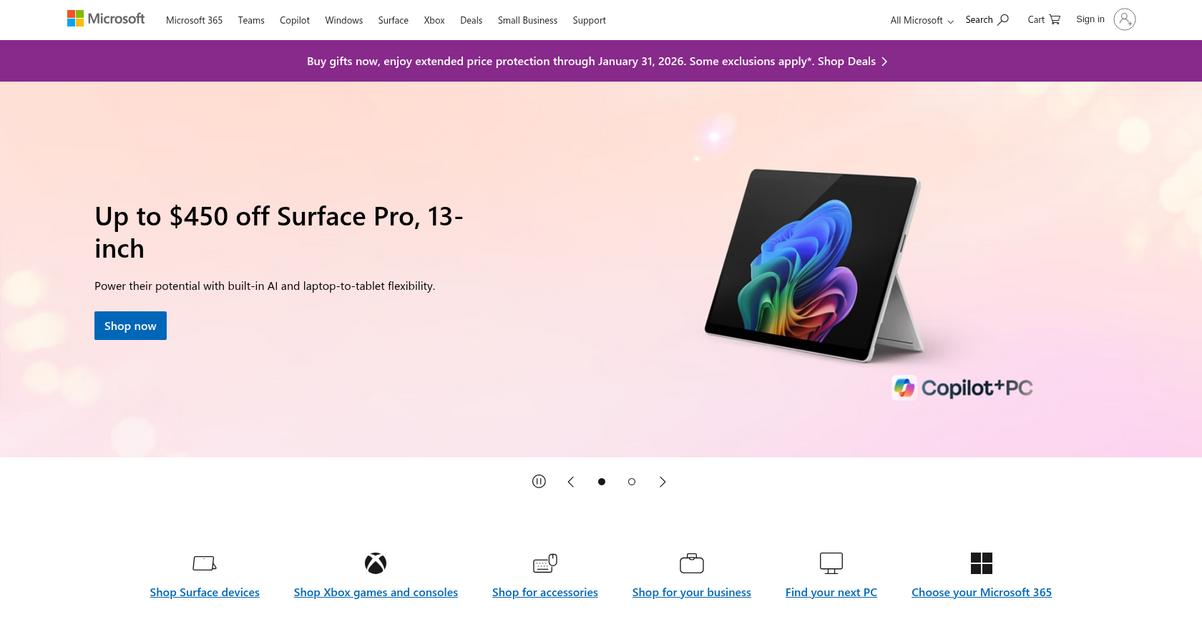
Is Zoho WorkDrive sync lag killing your productivity?
Microsoft 365’s suite brings you rich Office integration, SharePoint-powered content management, and OneDrive for Business—covering all the pain points you’re fighting with Zoho WorkDrive right now.
Here’s where Microsoft 365 stands apart: you get deep Office app integration and advanced content management, not just a file storage system with syncing headaches like Zoho WorkDrive.
Ready to leave sync frustration behind for good?
You’ll notice the difference as soon as you switch to Microsoft 365. Word, Excel, and PowerPoint are embedded right inside your workflow, so you can create, edit, and collaborate on crucial files—without file format issues or clunky browser editors.
SharePoint adds an extra layer, offering advanced team sites and automated workflow tools. This means your remote team can manage permissions, access histories, and collaborate with external contacts securely—all things that were painful to set up or outright missing with Zoho WorkDrive.
Plus, OneDrive for Business brings top-notch personal cloud storage, tight sync with local devices, and cross-platform flexibility. Sharing large files or managing granular permissions is finally as simple as it should be, making stubborn Zoho WorkDrive sync problems feel like a distant memory.
Everything here points to easier remote team management.
Key features:
- Flawless integration with Microsoft Office apps lets your team create, edit, and collaborate on Word, Excel, and PowerPoint files in-app, removing compatibility and workflow bottlenecks common in Zoho WorkDrive.
- SharePoint-powered team sites and content management offer deep customization, workflow automation, and secure external sharing, covering needs that go far beyond Zoho WorkDrive’s team folder approach.
- OneDrive for Business robust personal cloud storage with industry-leading syncing and access controls, so document sharing and remote access finally meet the expectations of modern distributed teams.
Verdict: Microsoft 365 delivers a robust alternative to Zoho WorkDrive, especially for remote teams looking to streamline file collaboration and cut down on sync hassles. With deep Office tool integration and SharePoint-driven workflows, you’re getting advanced document management that’s built for your remote productivity needs.
Conclusion
Zoho WorkDrive sync delays slowing you down?
It’s frustrating when large file sync lags and awkward external sharing keep your remote team from moving fast and working together smoothly.
I get it—switching document systems can feel daunting, but every day stuck with slow syncs hurts your productivity more than making the leap to a better tool.
Here’s the top pick you shouldn’t miss.
FileCenter takes the pain out of large file handling and gives you reliable, intuitive document control—making it my #1 choice among the best Zoho WorkDrive alternatives.
If you want desktop-style organization, effortless file versioning, and zero sync drama, FileCenter does what Zoho WorkDrive just can’t deliver. I’ve seen it help remote teams confidently manage all their files without worrying about sync hiccups or complicated migrations.
Check out FileCenter’s free trial and experience hassle-free document management for yourself.
Enjoy real-time access minus the Zoho WorkDrive headaches.