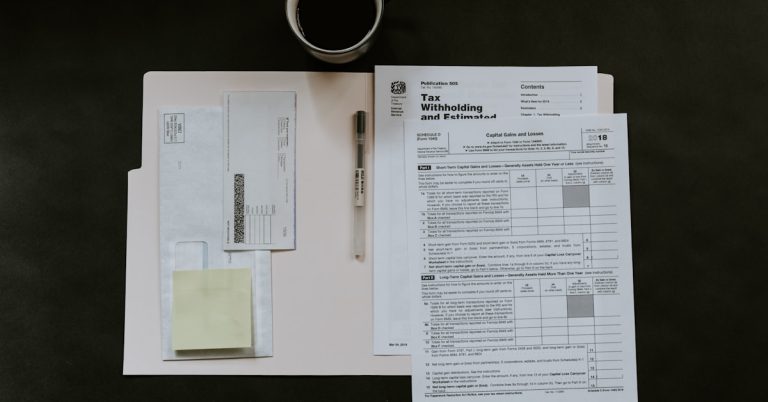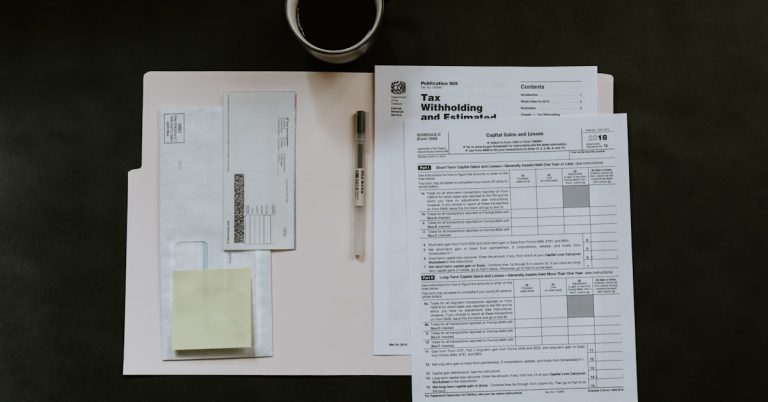

Lost in a mess of vendor paperwork?
If you’re anything like me, tracking down the latest documents and worrying about missing compliance deadlines can quickly become overwhelming. With files scattered everywhere and your team constantly chasing updates, things slip through the cracks.
It’s no wonder that missing one piece of paperwork can spiral fast, costing time and putting your compliance at risk.
Userlane reports that 96% of business leaders struggle with digital adoption, which tells me you’re not alone in wrestling new document management tools. The push to get things streamlined is real, but it’s rarely easy.

You need a clear, actionable way to fix this and get on top of vendor documents without burning out.
In this article, I’m going to show you how to manage vendor documents using six proven strategies to centralize documents, automate compliance, and secure critical files.
You’ll walk away with practical tips to cut manual work, boost compliance, and make audits far less stressful.
Let’s dive in.
Key Takeaways:
- ✅ Centralize all vendor documents in one secure repository to ensure easy access and eliminate compliance risks.
- ✅ Automate compliance workflows with rule-based triggers for renewals and missing document alerts, reducing manual work.
- ✅ Standardize document requirements by creating universal checklists to speed onboarding and maintain audit-ready files.
- ✅ Implement robust access controls based on roles to protect sensitive vendor data and prevent unauthorized disclosures.
- ✅ Conduct regular compliance audits to proactively identify and fix missing or outdated vendor documents for safety.
1. Centralize All Vendor Documents
Scattered documents are a major compliance risk.
Juggling contracts, invoices, and compliance forms across different systems makes it nearly impossible to find what you need when you need it.
This disorganization often leads to missed renewal dates and compliance gaps, putting your business at unnecessary risk and slowing down your entire procurement workflow.
In fact, Datamatics found companies saw a 30% decrease in expenses just by moving away from multiple systems. This highlights the direct financial drain of a fragmented approach.
- ???? Related:While we’re discussing document management, understanding how to manage hybrid work documents is increasingly vital for modern compliance.
If you’re constantly chasing paperwork, it’s clear this scattered approach isn’t working. Now, let’s fix it.
Let’s bring everything into one single place.
Centralizing all vendor documents in a single, secure repository eliminates the frustrating search across emails, shared drives, and filing cabinets.
This gives your team a single source of truth, ensuring everyone accesses the latest versions of important files.
A central system simplifies managing your vendor documents by creating a clear, auditable trail. You can instantly locate contracts, certificates, and performance reviews without any guesswork.
It creates immediate clarity for your team.

By starting here, you build a solid foundation for streamlined compliance and much stronger vendor relationships.
Ready to get organized? See my picks for the best HR document management software and find the perfect fit to streamline your compliance.
2. Automate Compliance Workflows
Manual compliance checks are draining your resources.
Chasing down approvals and tracking vendor certifications manually is a time-consuming process that creates significant compliance gaps.
These tedious tasks not only slow down procurement but also increase the risk of missing critical deadlines, which could lead to fines or suspended operations.
You’re not alone in seeking a better way. A Scytale survey revealed that 84% of companies are already turning to compliance automation. This shows a clear shift away from outdated methods.
If manual workflows are exposing your business to risk, it’s time for a more streamlined and reliable approach.
This is where automation changes the game.
Automating compliance workflows removes the manual burden with rule-based systems that handle vendor document verification and management for you.
You can set up triggers for contract renewals, certification expirations, and automated alerts for missing documents, ensuring nothing falls through the cracks.
For instance, an automated workflow can request updated insurance certificates 60 days before expiration. It’s a practical way of managing vendor documents without constant oversight.
This keeps your vendor records consistently compliant.
By automating these processes, you free up your team to focus on strategic tasks instead of just administrative work.
3. Standardize Document Requirements
Are your vendor requirements all over the place?
Without a consistent list, you’re constantly chasing down different documents from different suppliers, creating unnecessary administrative chaos for your team.
This inconsistency creates significant compliance gaps. It means audits become a source of constant stress, and you’re always one step behind on critical renewals or certifications.
It’s no surprise that Otio reports 76% of companies use automation to make routine tasks more consistent. This shows how crucial standardization is for operational efficiency and reducing manual errors.
- ???? Related:While we’re discussing compliance, understanding how to implement document compliance tracking is equally important for audit confidence.
This lack of a unified approach makes vendor management unpredictable and risky. So, let’s fix that right now.
Create a universal vendor document checklist.
Standardizing your document requirements is the first step toward a more organized and compliant vendor management process.
You can create templates for different vendor types, ensuring everyone submits the same required forms from day one.
For example, create a standard onboarding packet that includes your W-9, certificate of insurance, and signed MSA. This simplifies how to manage vendor documents for everyone involved.
This sets a clear, consistent expectation.
This single step removes guesswork, speeds up onboarding, and ensures you have a complete, audit-ready file for every single vendor.
4. Implement Robust Access Controls
Who can see your vendor contracts?
Without clear rules, sensitive data like pricing and banking details are exposed to unauthorized employees, creating unnecessary internal risk.
This vulnerability isn’t just an oversight. It opens you up to significant data breach risks and costly compliance violations that directly impact your bottom line.
If an unauthorized person accesses and shares a critical contract, the damage to vendor trust and your reputation can be irreversible.
- ???? Related: If you’re also looking to streamline your document operations, my article on how to bulk process documents covers effective strategies.
Protecting these documents is a foundational part of your risk management strategy and can’t be ignored.
This is where access controls come in.
Implementing robust access controls ensures only authorized personnel can view, edit, or approve specific documents, directly closing your security gaps.
You can set permissions based on roles, like restricting access to financial data for the procurement team.
For example, you define who manages vendor documents by role, so a manager can upload contracts, but only legal can approve them. This simplifies the entire process.
This creates a clear and secure workflow.
This approach minimizes human error and protects sensitive information, significantly strengthening your overall compliance posture and vendor relationships.
5. Conduct Regular Compliance Audits
What you don’t know can hurt you.
Without regular checks, outdated or missing vendor documents can easily slip through the cracks, creating hidden compliance risks for your business.
This oversight can lead to serious consequences, including hefty fines and operational disruptions. The real problem is ignoring potential non-compliance until it’s too late to fix it easily.
Data from Life Champions Ecosystem shows that businesses with regular internal audits are 40% less likely to face issues. This highlights how proactive checks can safeguard your operations and finances.
- ???? Related: While we’re discussing managing vendor documents, understanding how to generate documents from templates is equally important for efficiency.
Letting these risks accumulate is a recipe for disaster, but there’s a straightforward way to stay ahead of the curve.
This is where regular audits become essential.
Conducting periodic compliance audits helps you proactively identify and resolve any documentation gaps before they escalate into major problems for your team.
Think of it as a health check for your vendor management process, ensuring all required documents are current and correctly filed.
This process involves systematically reviewing vendor files against your compliance checklist, confirming things like insurance certificates, contracts, and tax forms are up-to-date and accessible.
This makes your process much more reliable.
By integrating audits into your workflow, you create a system of continuous compliance that protects your business from unnecessary risk.
Want to simplify compliance even further? Check out the best HR document management software for tools to organize, track, and automate your vendor documents.
6. Leverage a Vendor Portal
Chasing vendors for documents is beyond frustrating.
It creates an endless loop of emails and calls, wasting your team’s valuable time on administrative back-and-forth.
This communication overhead not only delays onboarding but also strains your most important vendor relationships. It’s a hidden cost that impacts future negotiations and collaboration.
This friction also hurts your suppliers, who are juggling dozens of similar manual requests, adding to their own administrative burden and slowing everyone down.
- ???? Related: While we’re discussing administrative burden and inefficient cycles, you might find my guide on how to reduce filing cabinet costs helpful.
This inefficient cycle is a major compliance risk, so let’s find a more streamlined way forward.
A dedicated vendor portal changes the dynamic.
This gives your vendors a single, self-service hub to upload and manage their required documents on their own schedule.
It provides them with a clear, centralized submission point, eliminating the guesswork and constant follow-ups that slow down your procurement workflow.
A portal is a great solution for managing vendor documents because vendors get automated reminders for expiring certificates, and you get instant visibility into their compliance status.
This simplifies the entire process for everyone.
By empowering your vendors, you reduce your administrative workload and build stronger, more transparent partnerships that support your compliance goals.
Conclusion
Chasing vendor paperwork gets old, fast.
Every time you dig for a missing file or scramble ahead of an audit, it chips away at your team’s time and sanity.
Here’s what surprised me: PwC’s research found that tech-driven document management leads to 64% better risk visibility and 43% more productivity with real cost savings. That means even a small shift can pay off big for your compliance team if you try it out.
But there’s a smarter way here.
What I’ve shown you today fixes that drain in your small enterprise by centralizing, automating your vendor documents for good.
Take the framework on how to manage vendor documents and you’ll see less stress, cleaner audits, and tighter supplier relationships – exactly what compliance leaders need.
Try out one step from this guide and see what it does for your workflow.
It’ll help you get confident, calm, and totally audit-ready.
If you want to explore even more solutions, check out the best document management software I’ve reviewed for HR and compliance teams like yours.